Chinese Tea Ceremony is an important wedding tradition passed down in Chinese culture in China. Generations after generations, this tradition serves as an engagement party for the couple as a union process, bringing two families together as one. It’s an auspicious event to embrace family values.
A cup of tea that brings love together.
Family is always a core virtue in Chinese culture, in which courtesy, harmony and loyalty are also embodied in chinese principles. Tea ceremony symbolizes people's wishes for loyal love and a happy marriage.
In the current days, ideas are mostly adapted and improvised from modern western culture and society. Despite that, many young couples still prefer to include this wedding tradition in their wedding celebration. The tea ceremony usually serves as a formal introduction of going-to-be husband and wife to each other’s respective families. Meanwhile, both groom and bride’s families will shower them with blessings and love, welcoming them as new members to the family trees. It is an occasion invites great opportunity to include everyone in for family portraits together.

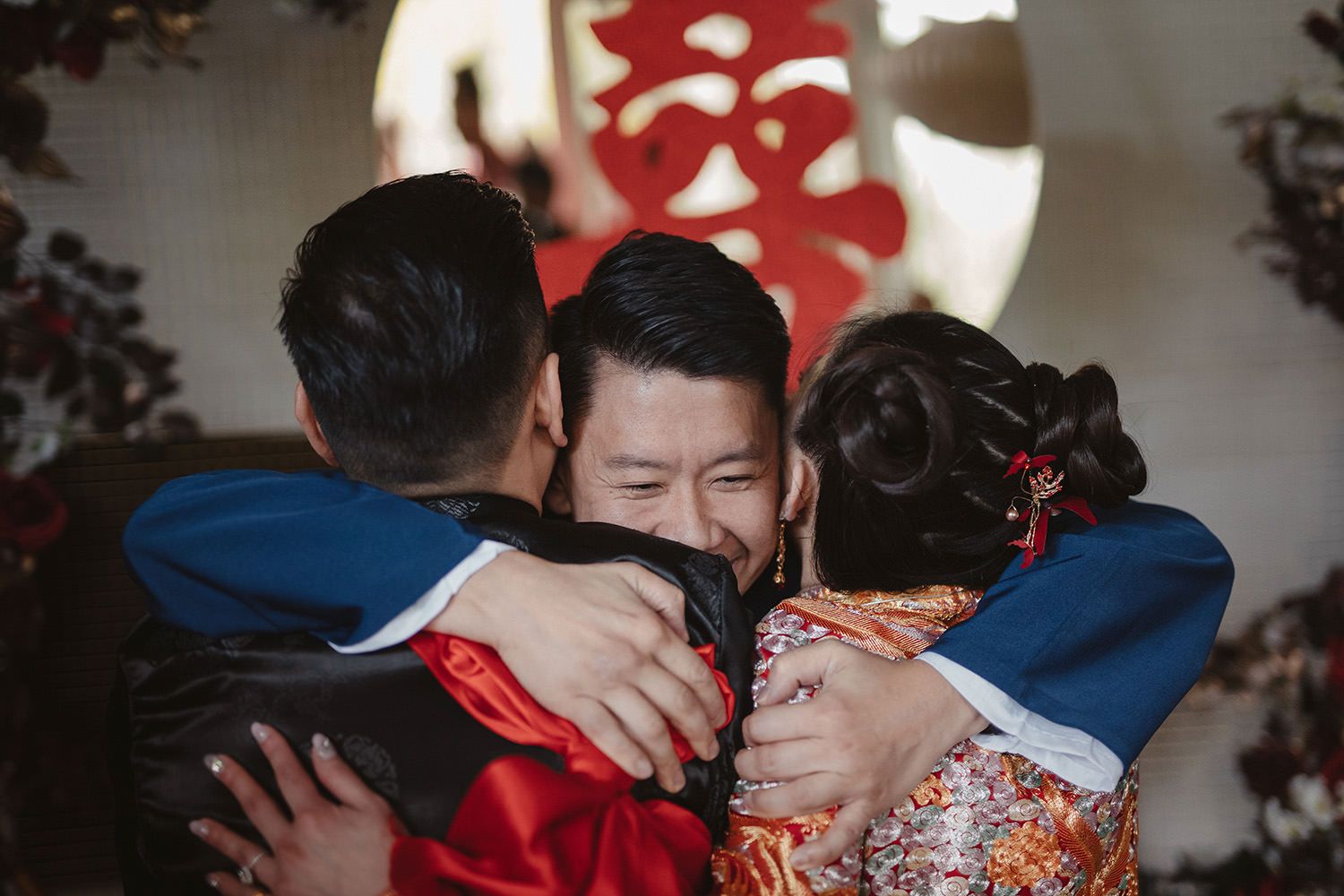
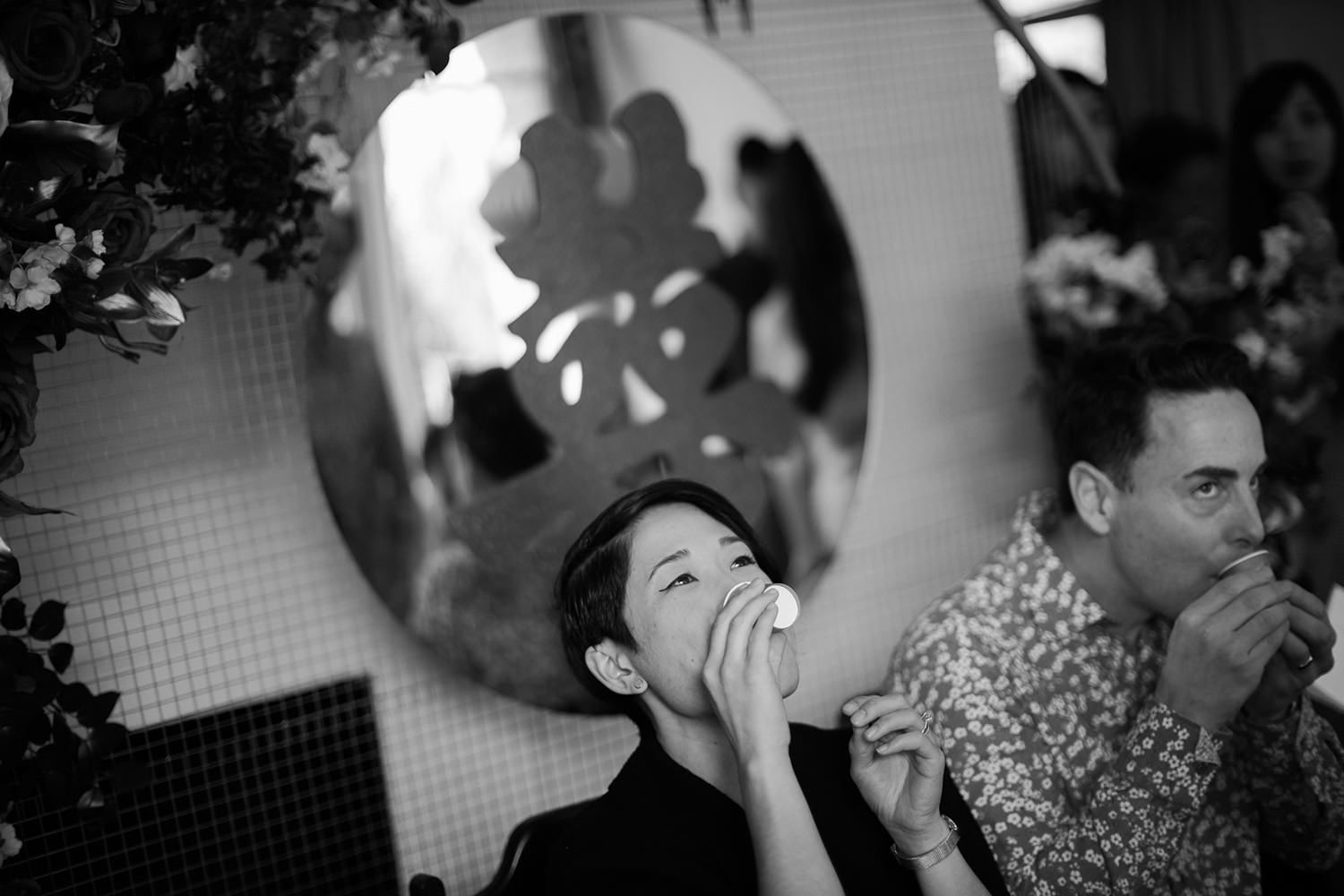
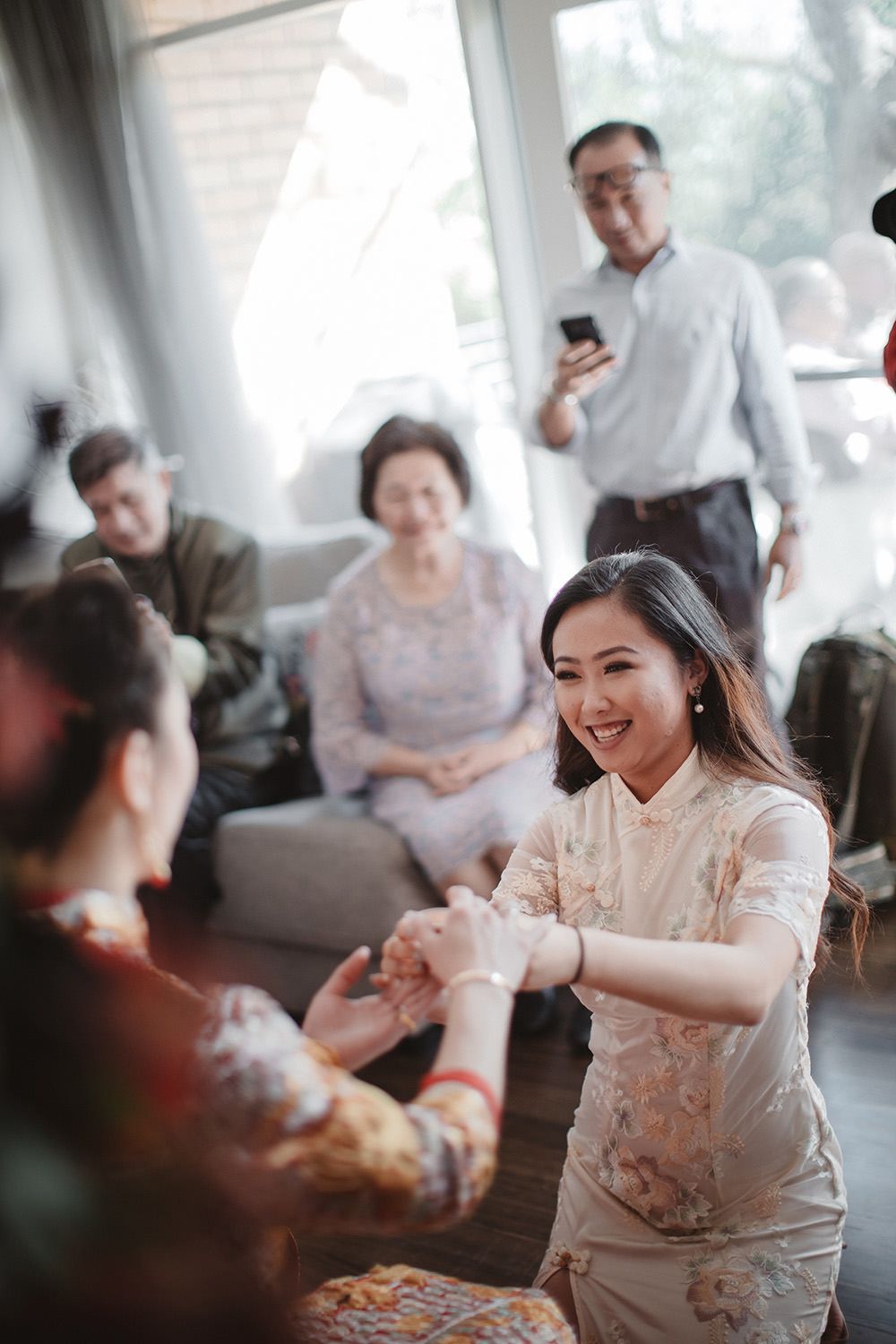
What’s the tea ceremony’s procedure?
Lasted till this era, a tea ceremony is usually conducted by Chaperon Lady, also known as the “host” to ensure the ceremony run smoothly. A Chaperon Lady should be well-equipped with knowledge of Chinese weddings and customs based on different sub-ethnic practises. The Chaperon Lady would have to ensure that the list of guest to be call upon for their tea in the respective sequences based on their seniority, which is the hierarchy in the family tree. She would also advise on essential items that should be prepared for the tea ceremony as individual or sets of specific items holds different meanings or blessings in marriage. Besides that, she would be the one who spice up the vibes of the tea ceremony by saying words of auspicious to the couple and their family, to wish for their well being in their newlywed life and to advise on tips for good marriage relationship. These day, the Chaperons are not just limited as a task for ladies, but there are many men who carry the responsibility to ensure the inheritance of the culture too. A lady chaperon is known as “tai kum jie” and “tai kum kor” or “tai kum gung” in referral as male chaperon.
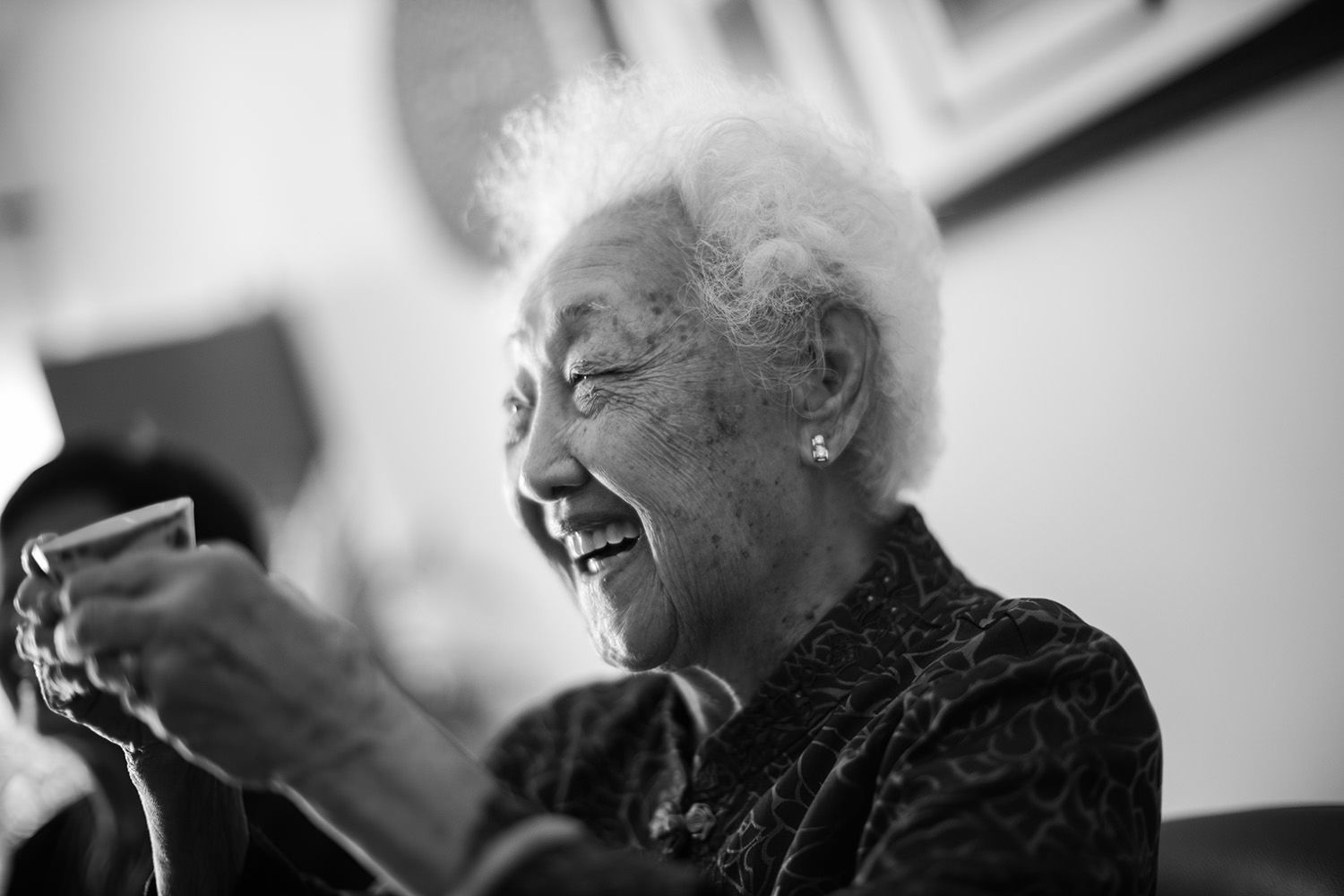
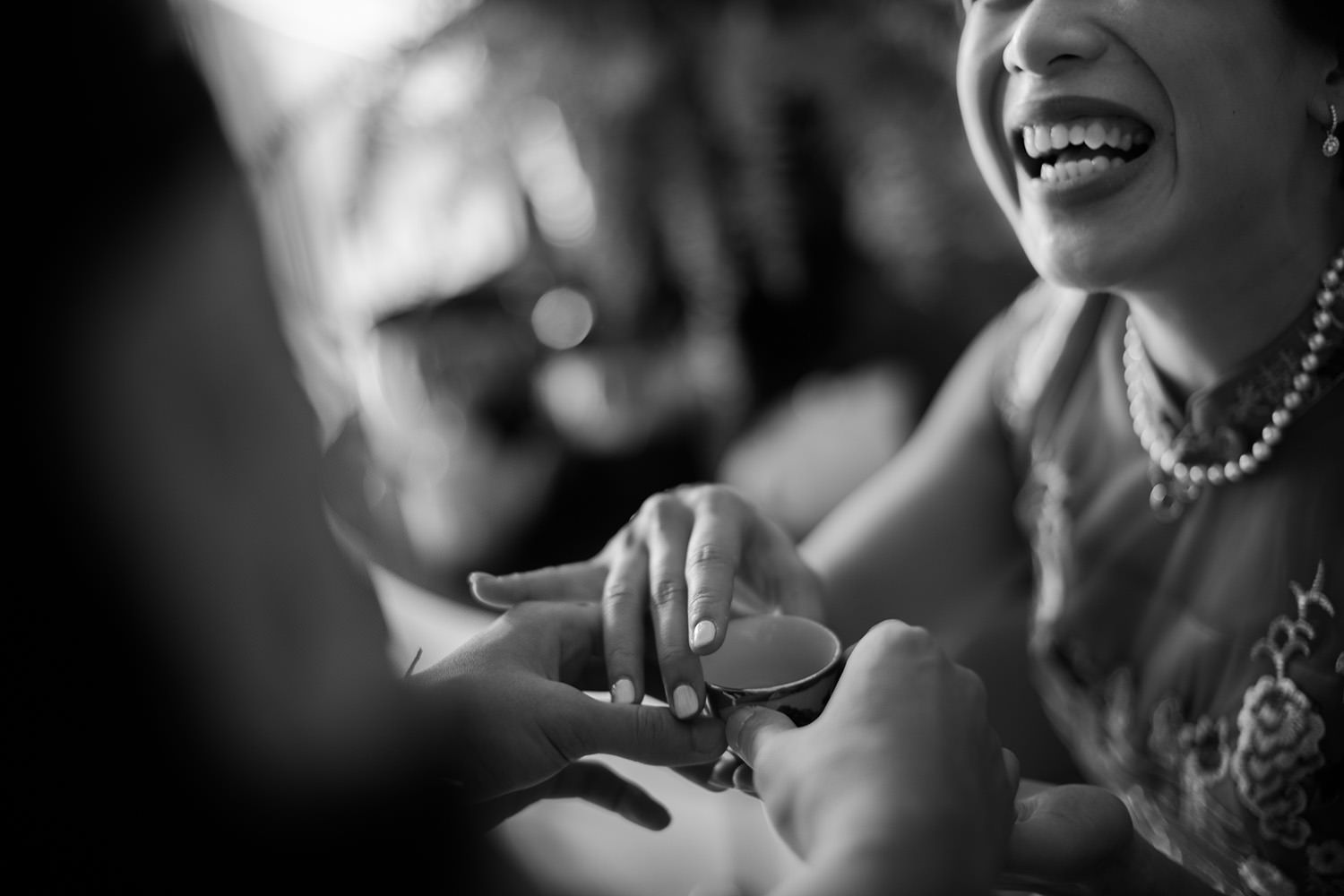
Back in the ancient times, the action of serving tea to a senior is a sign of being formally respectful. Hence, this tradition was created to show respect to the family. The couple would serve tea to the groom's family after exchanging their vows and deemed officially married, while the bride would have served tea privately to her own family before the marriage. Today, the culture is still highly valued and many couples choose to honour both the bride and groom's families by hosting a tea ceremonies for both side’s parents in the same day.
The couples will have to kneel down while serving tea to their elders back then. The groom should be on the left with the bride on his right side. The male elder should sit in front of the groom while the female elder should sit facing the bride. In modern practice, the couple are only required to bow to the elders while serving tea.
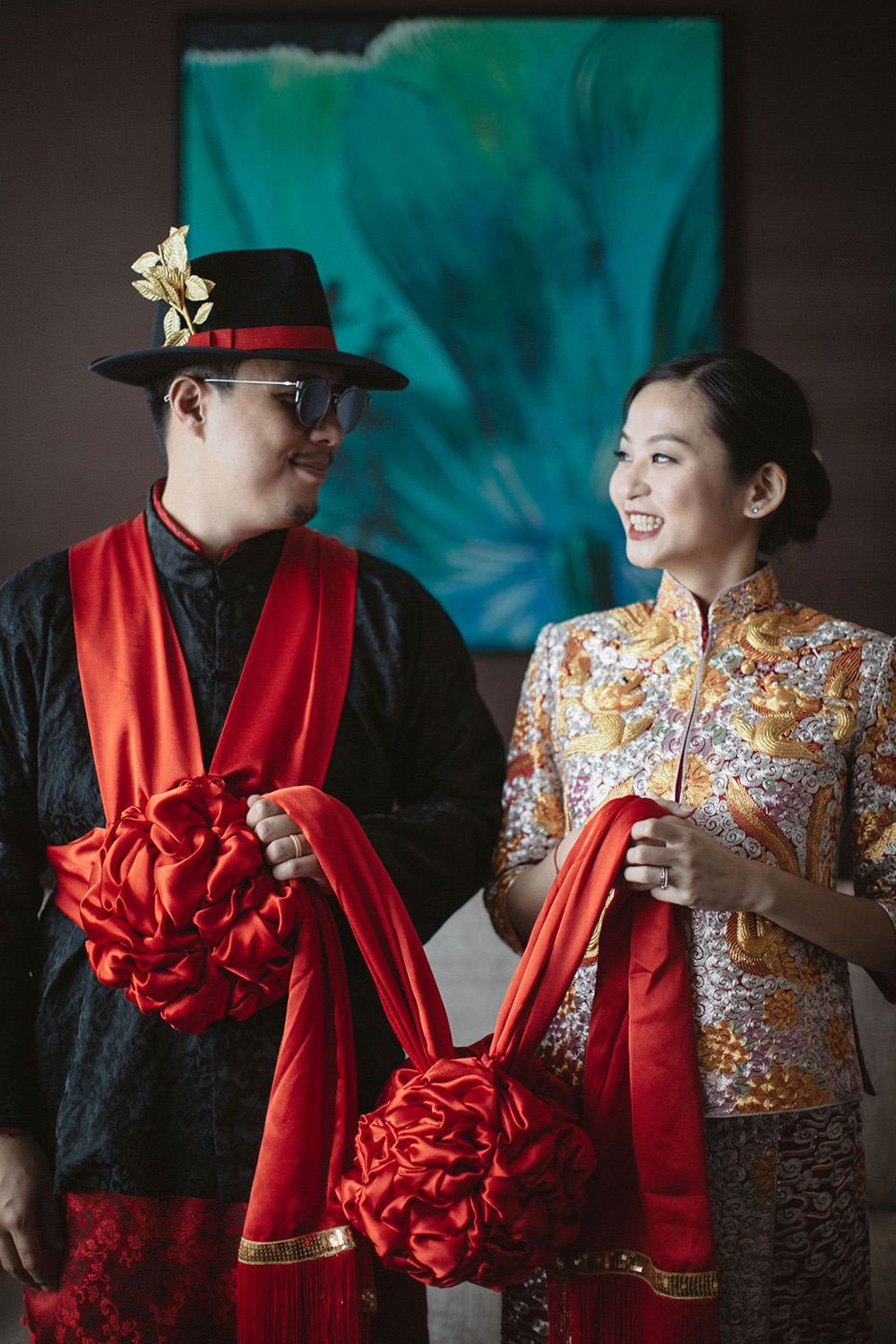
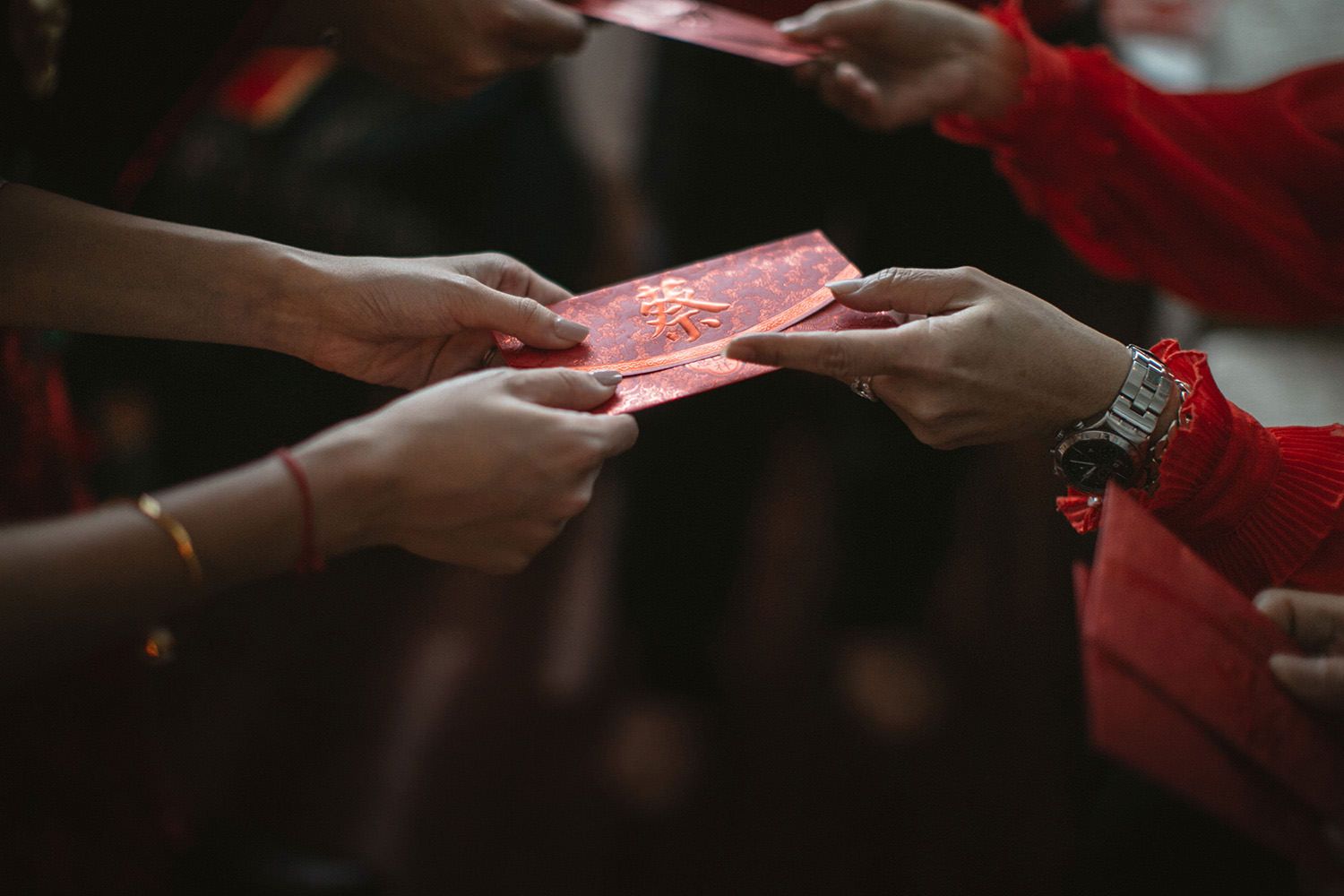
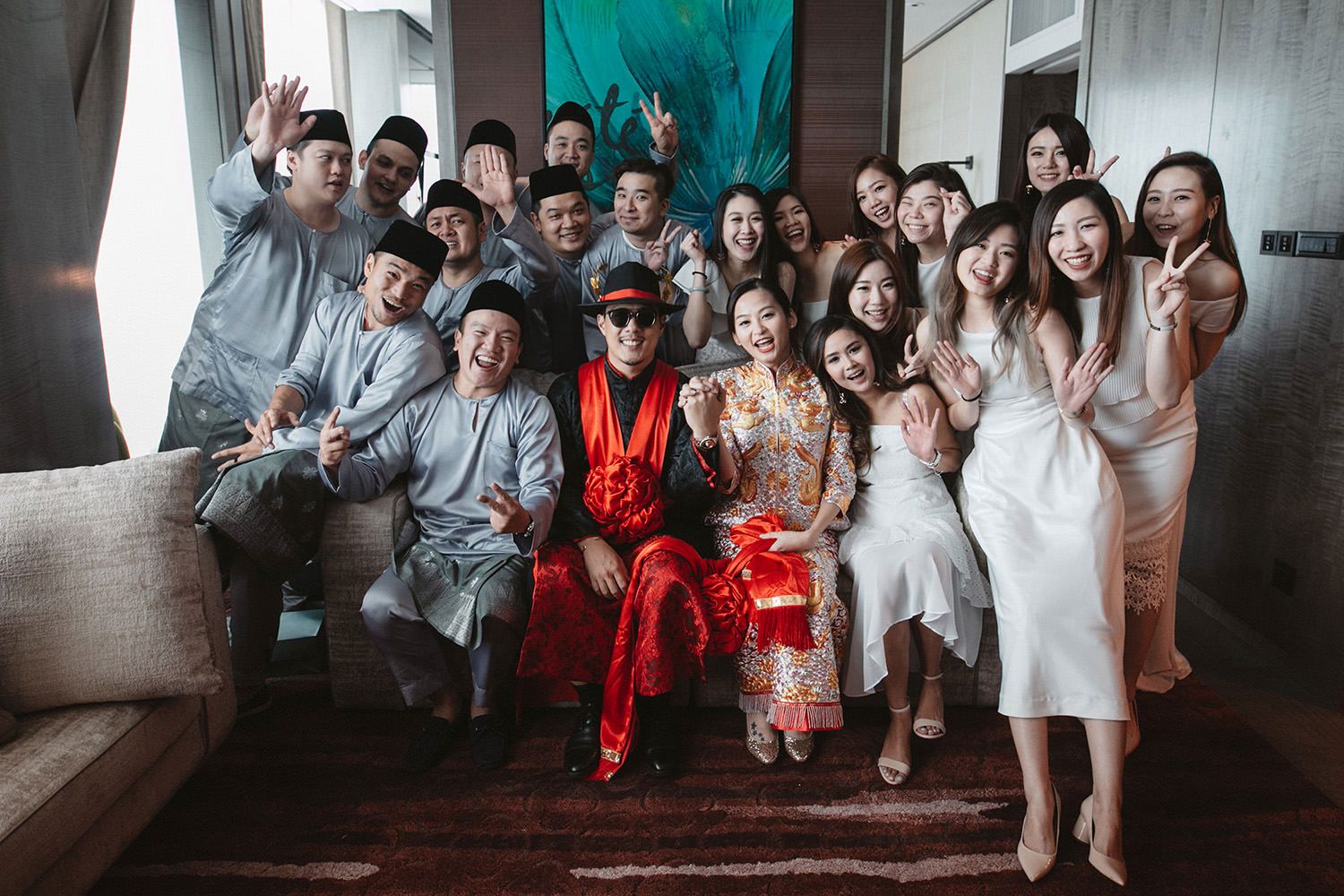
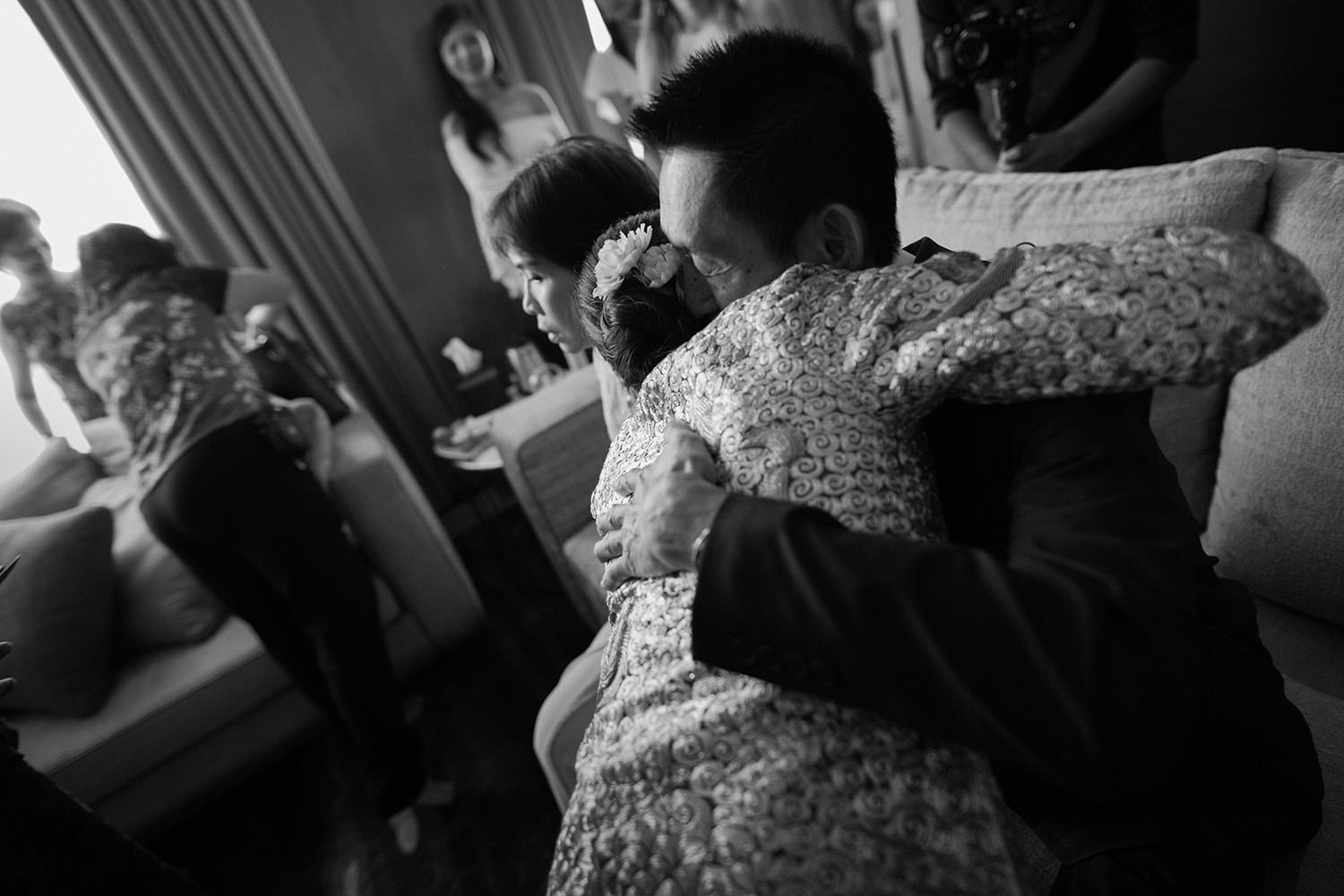
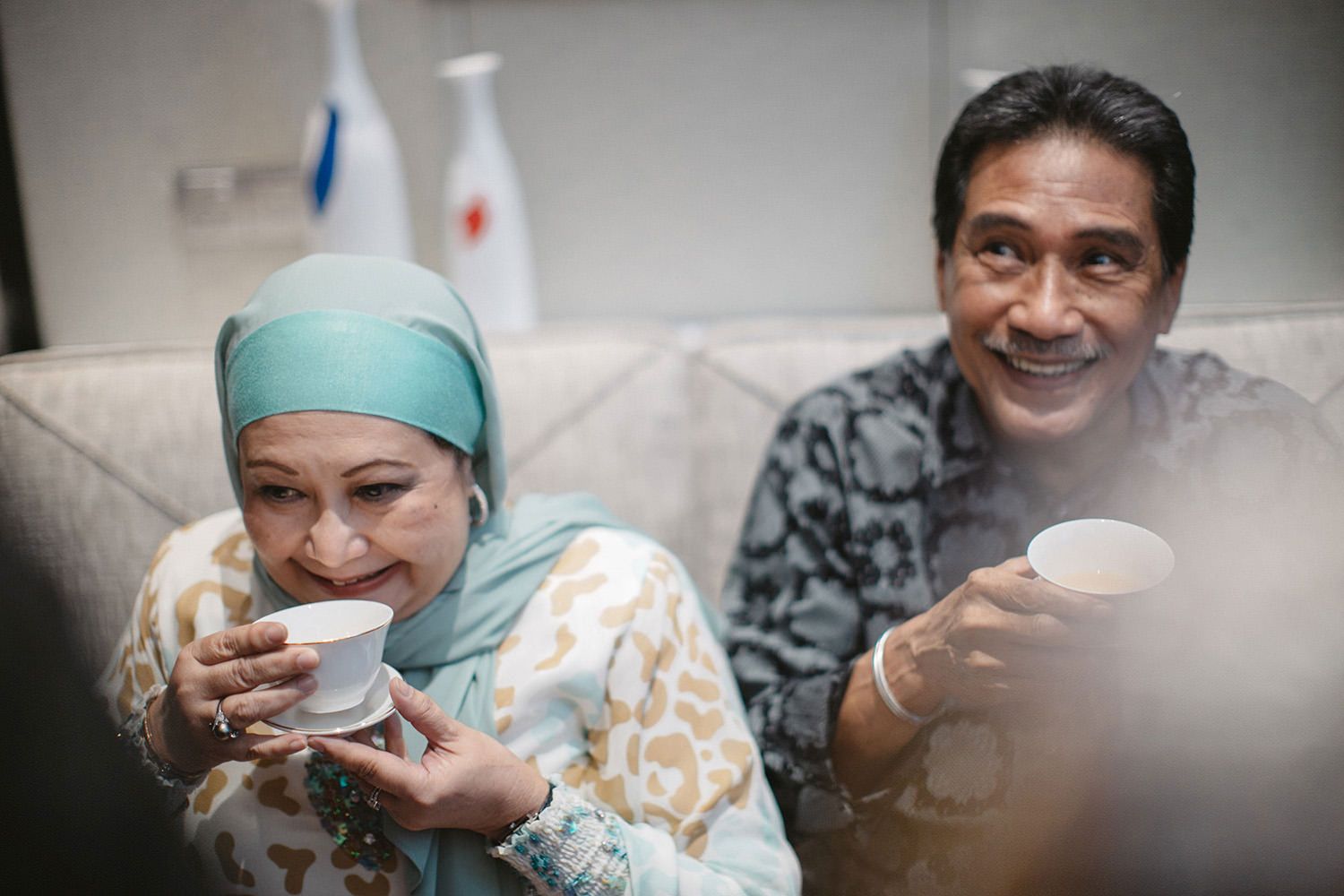
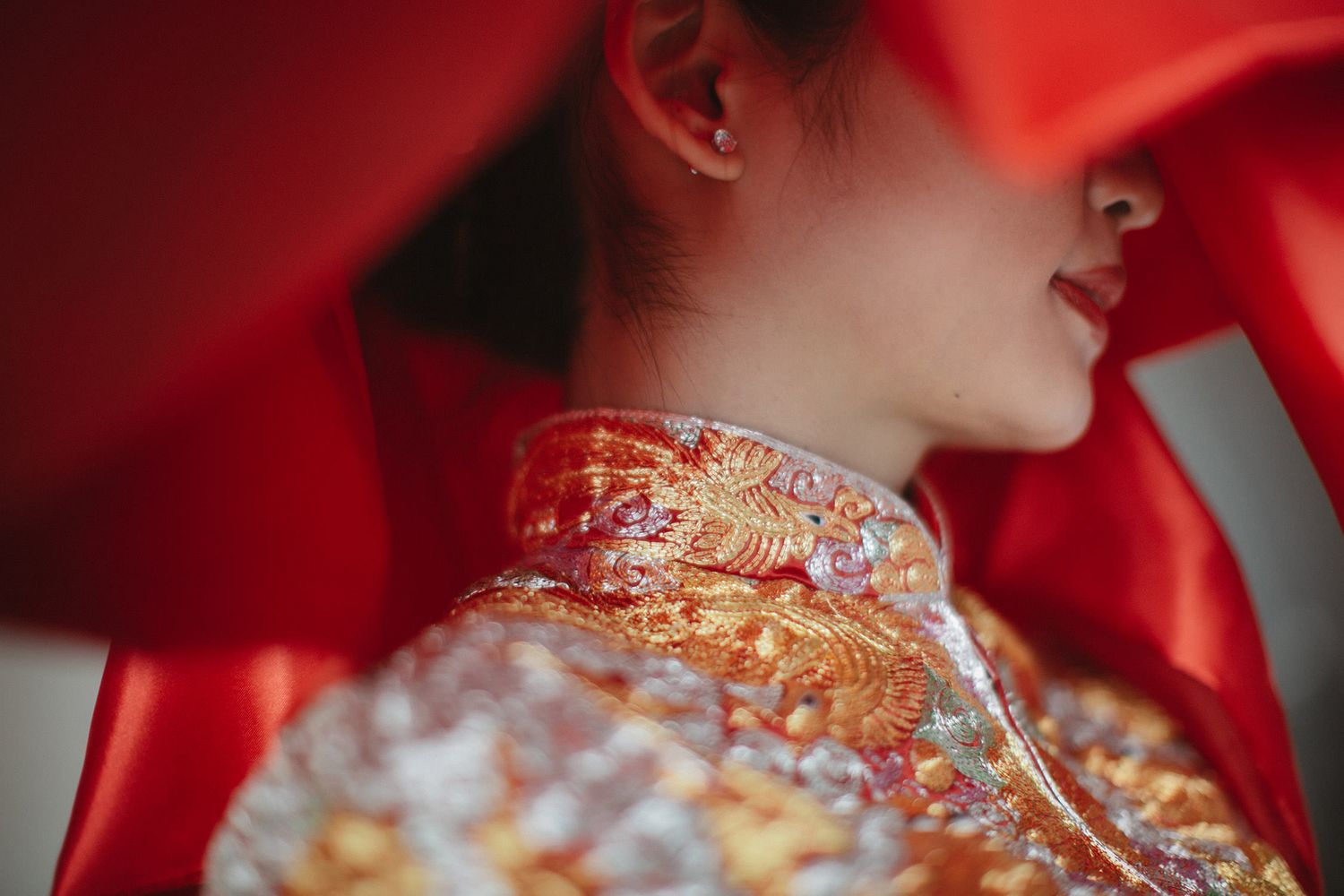
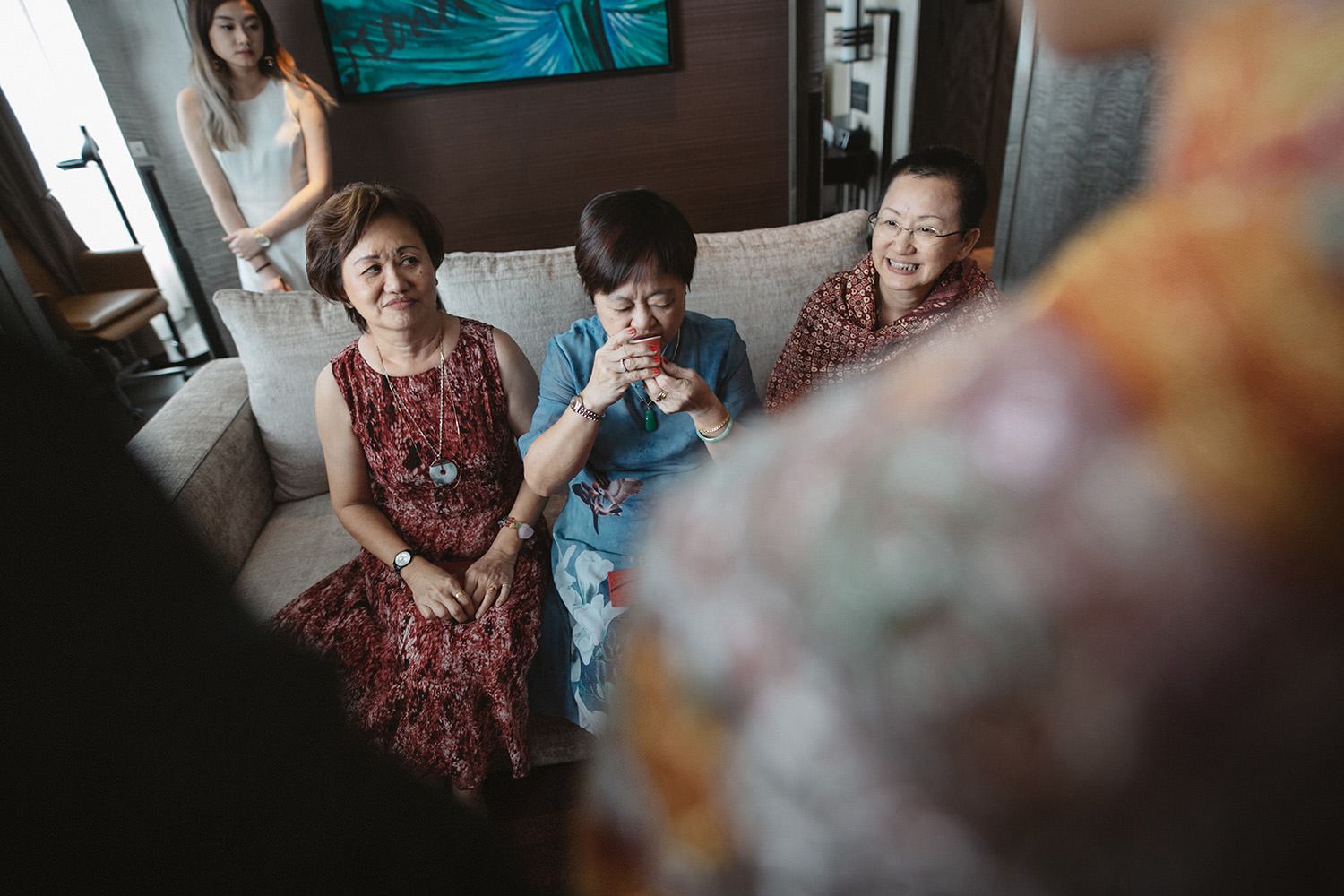
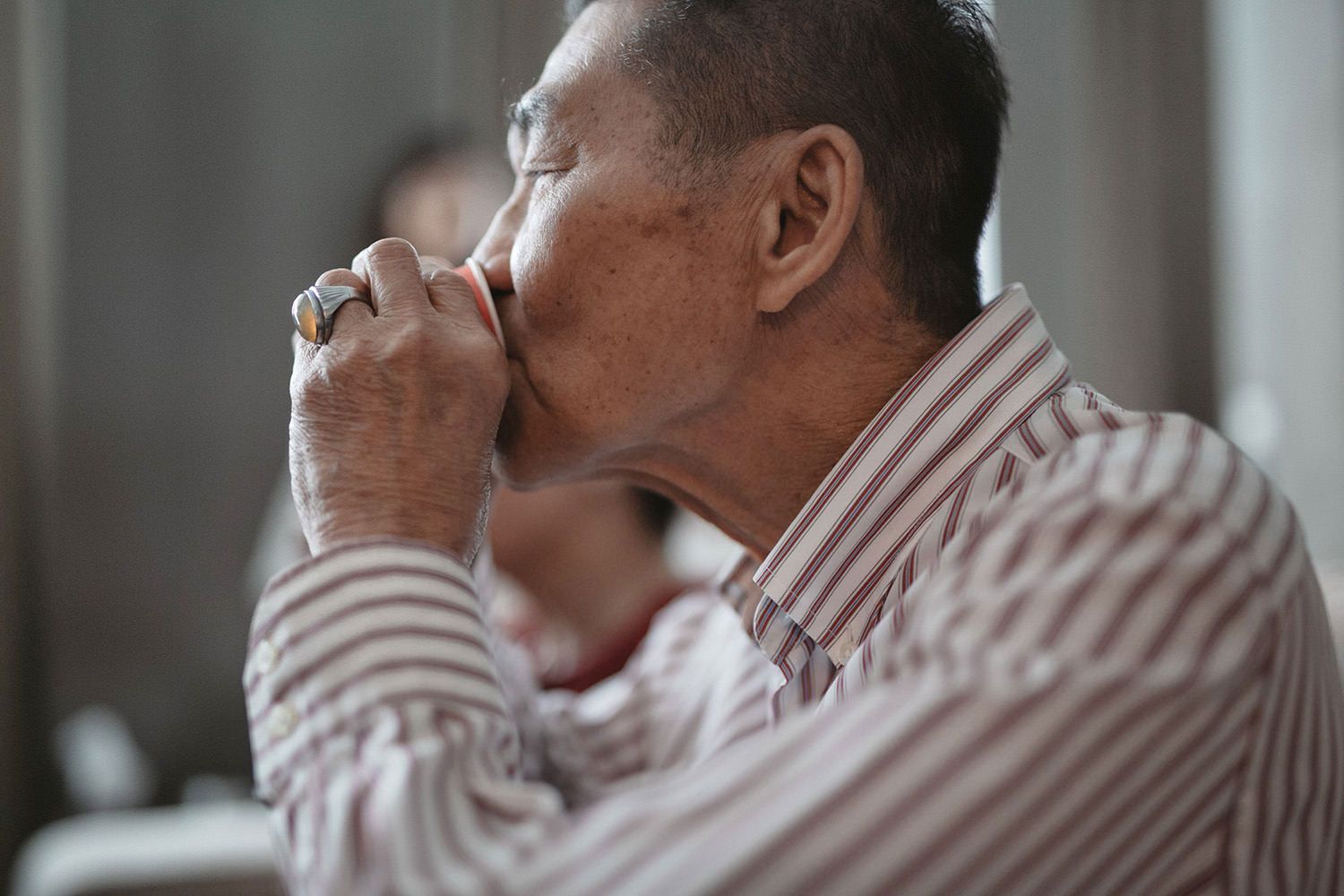
Fendi & Emily's Tea Ceremony in Sofitel Kuala Lumpur. View the whole series.
WHO DO WE INCLUDE FOR TEA SERVING?
During the tea ceremony, it usually goes by seniority of family members of bride and groom side respectively. The usual order would be: grandparents-parents-uncles-aunties-elder siblings-elder cousins-younger siblings-nieces and nephew.
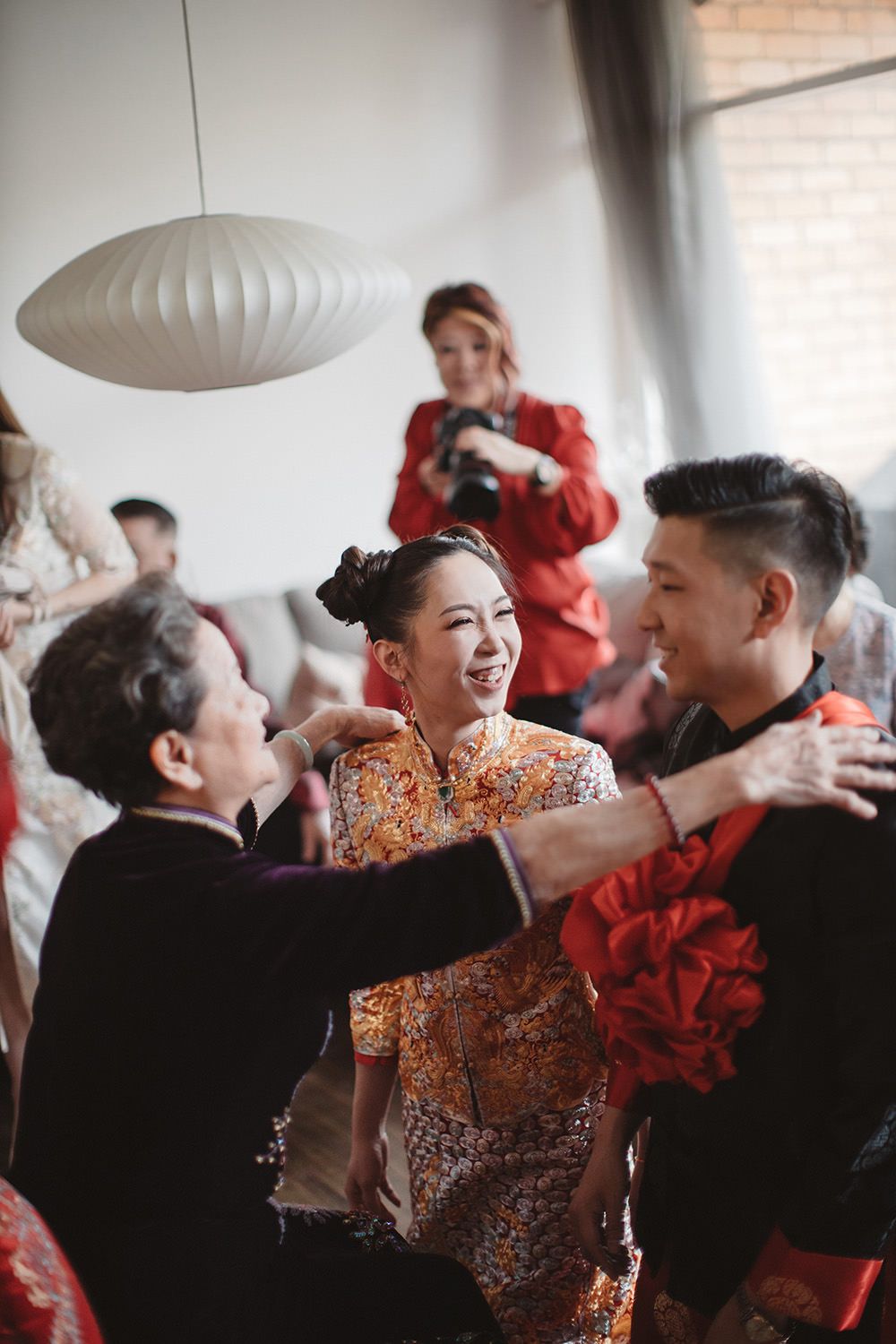
The couple will serve tea to the elders, while the younger siblings will serve tea to the bride and groom in the form of giving blessings.
Sweet tea will be served along with blessings as it symbolizes love and loyal marriage, the word sweet pronounce as “tian” in Chinese know as “甜甜蜜蜜” which means loving and sweet in marriage. Due to more diverse culture now, some brides opt for no tea at all, but with sweet soup of longan and red dates instead, to be served during the ceremony.
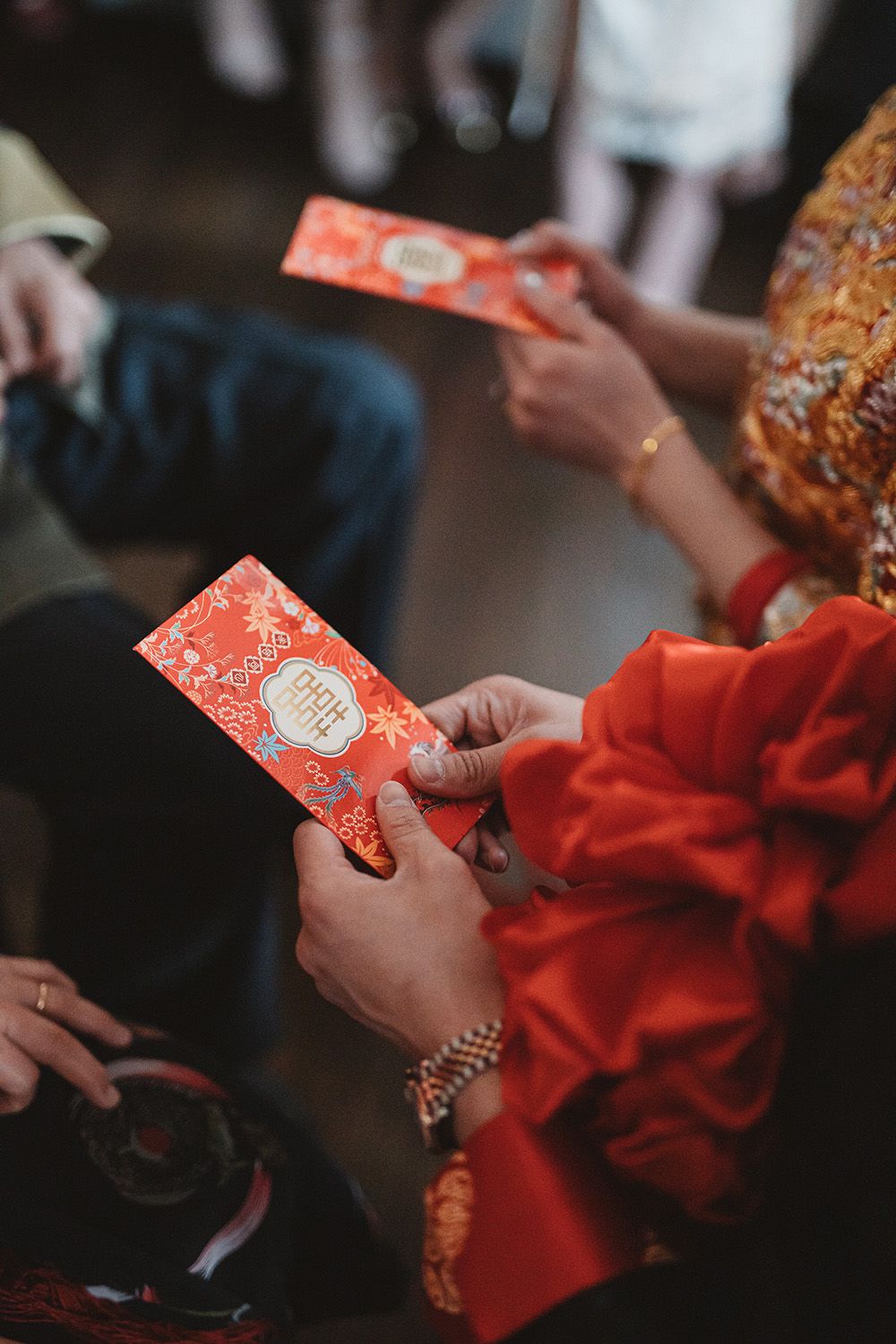
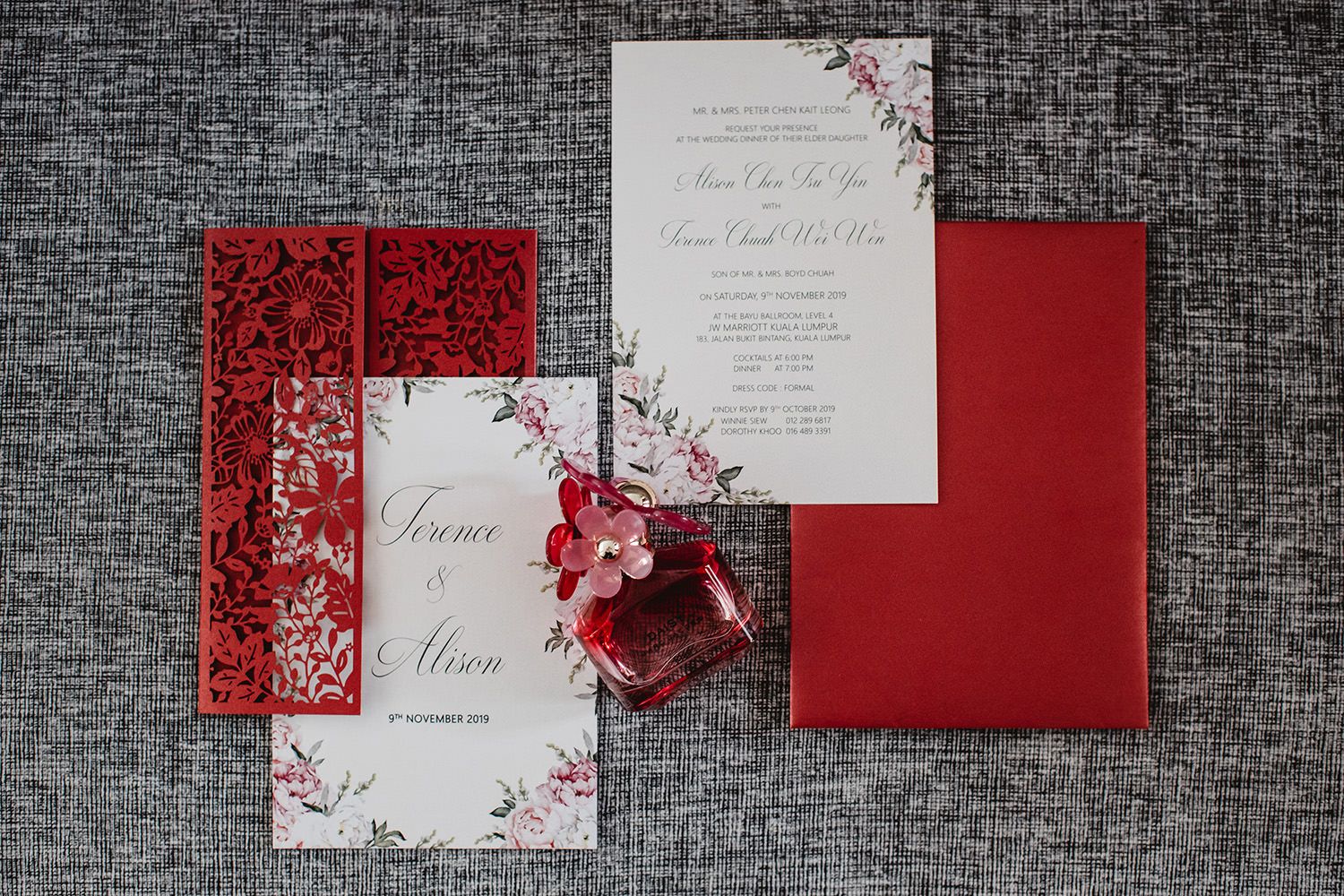
Gifts and dowries will be presented by each side’s family to the groom and bride as a gesture of welcoming and accepting their children-in-laws. Typical gifts would be gold jewelry, jade or money sealed in red envelope. Some gifts are often priceless, as they are inherited pieces from generations to generations, from the elderly to the new family members. It is a sentimental gift that brings deeper connection between the new family addition and the in-laws.
Every chinese tea ceremony are different as we are living in a multicultural environment. Don’t be surprise that different families will be using different dialect in conducting this ceremony. Some might be using Hokkien, others might be speaking in Hakka, Cantonese or Teo Chew depends on the family descendant background. The flow and customary of the tea ceremony would be slightly different too. Isn’t it interesting to live in Malaysia?
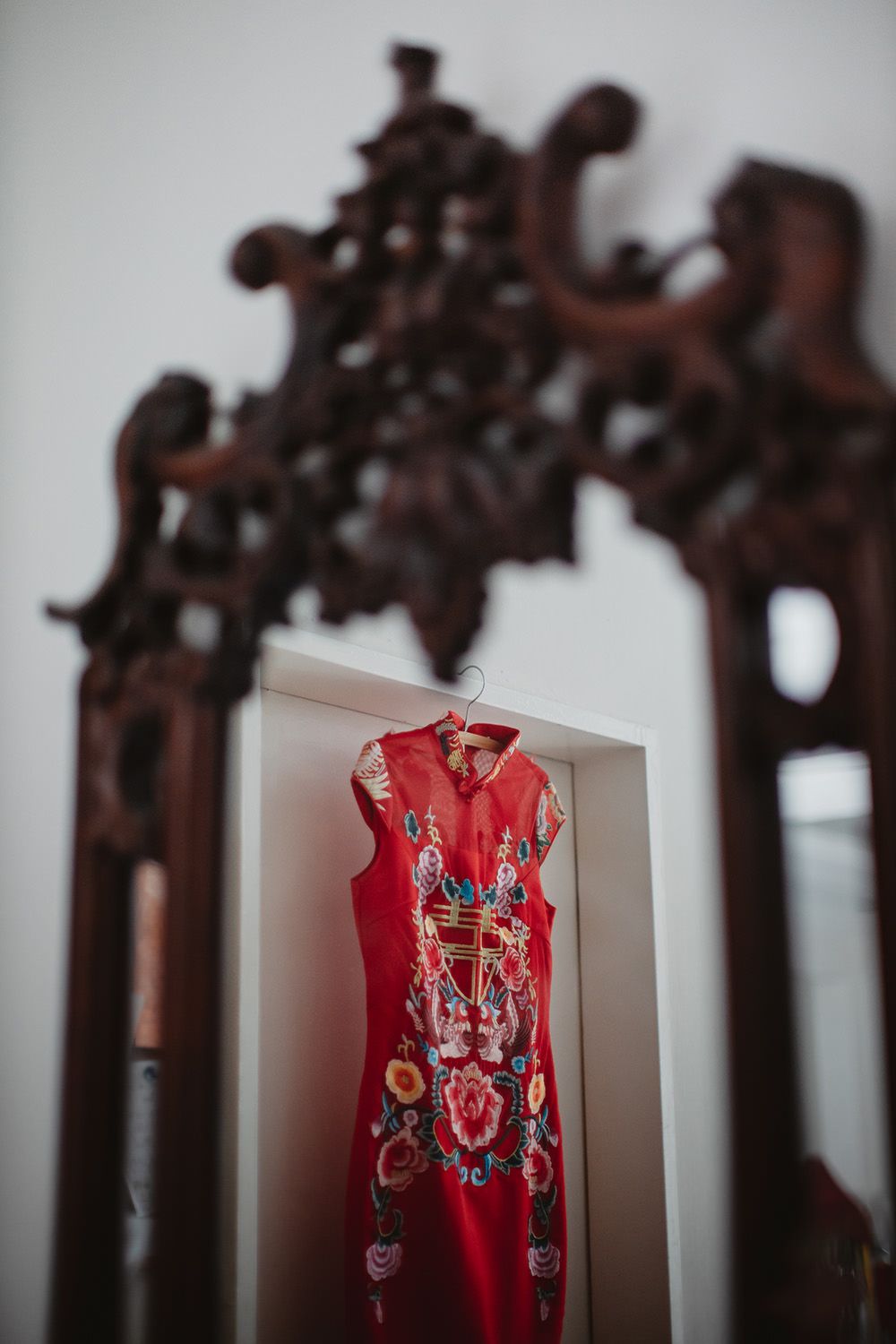
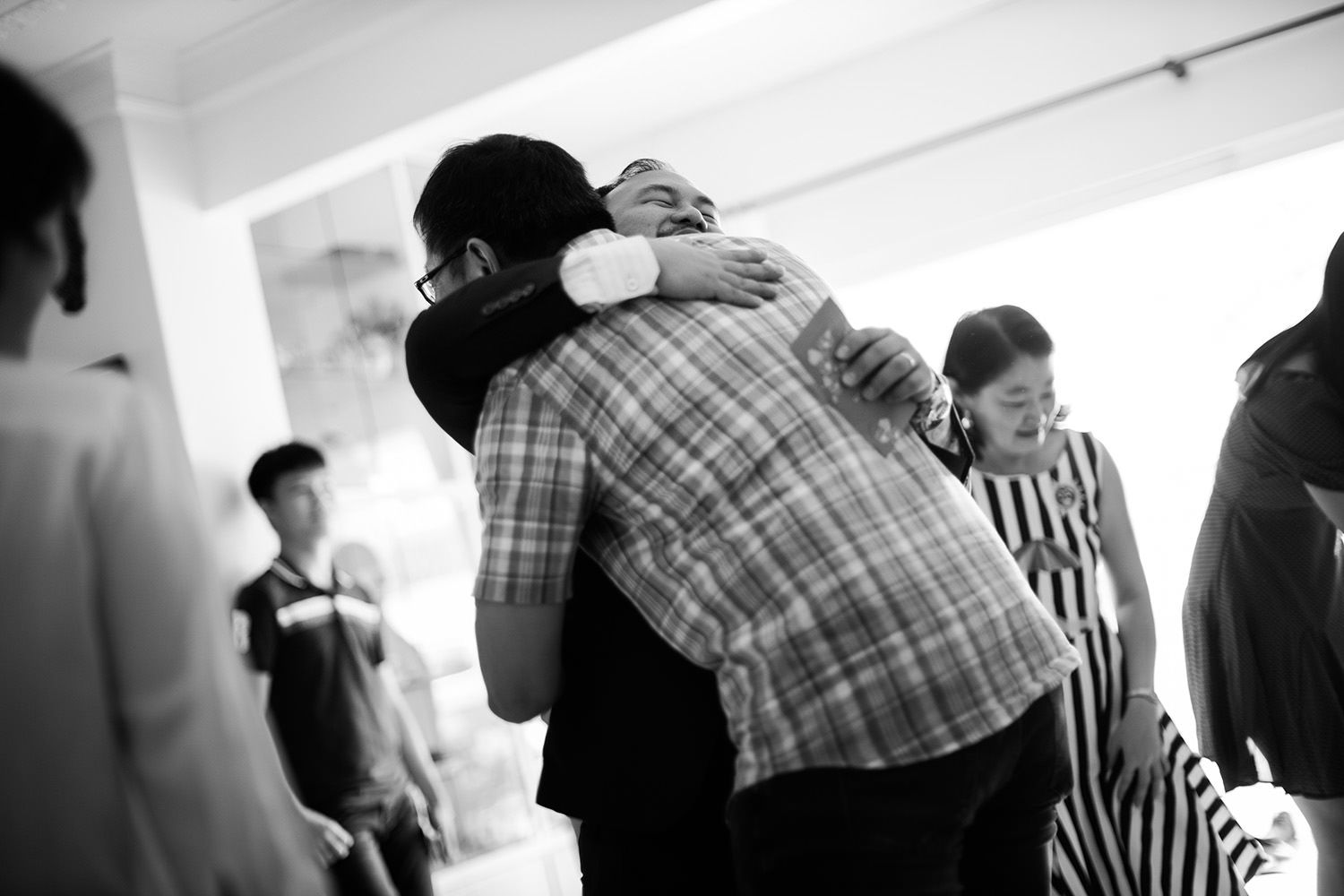
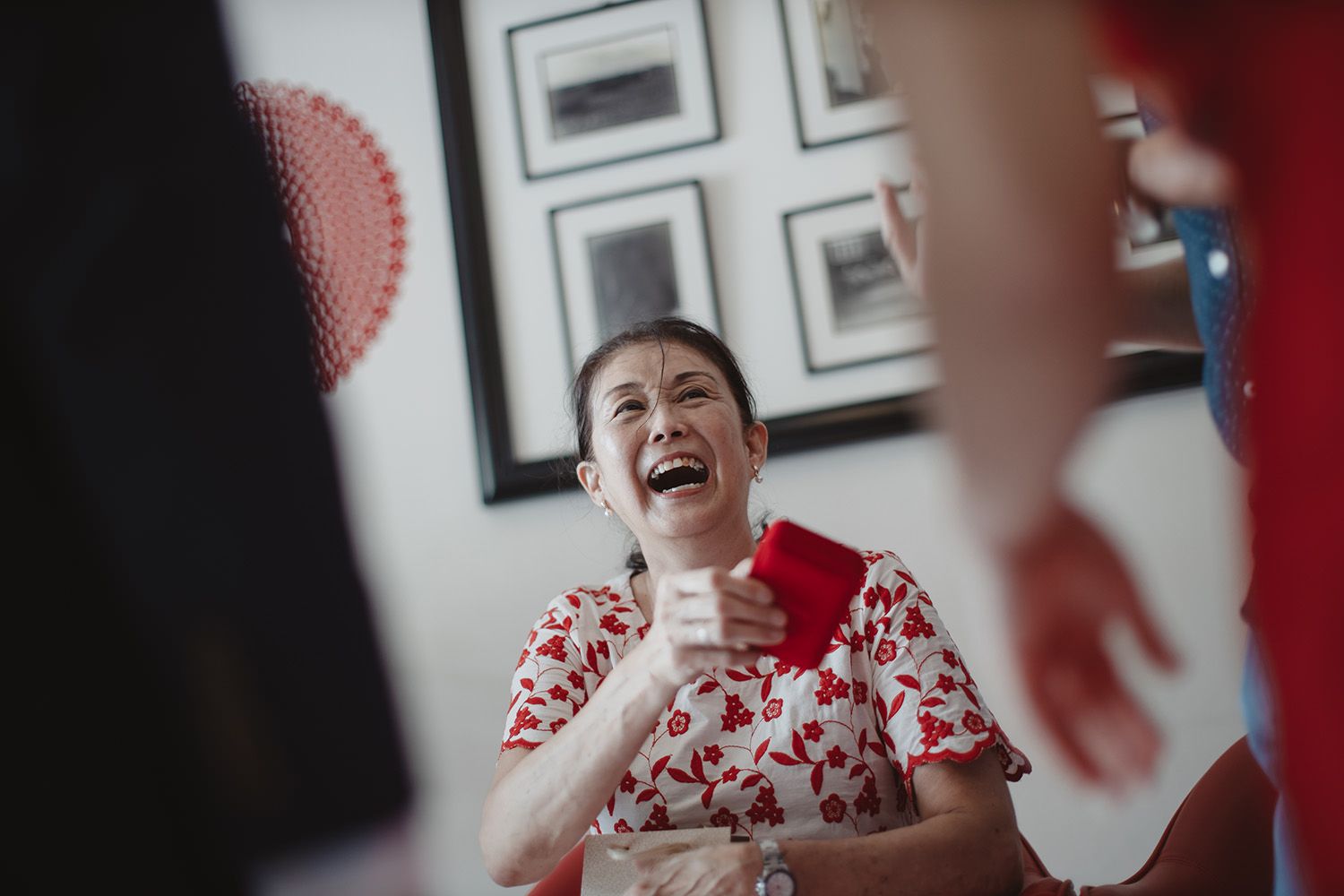
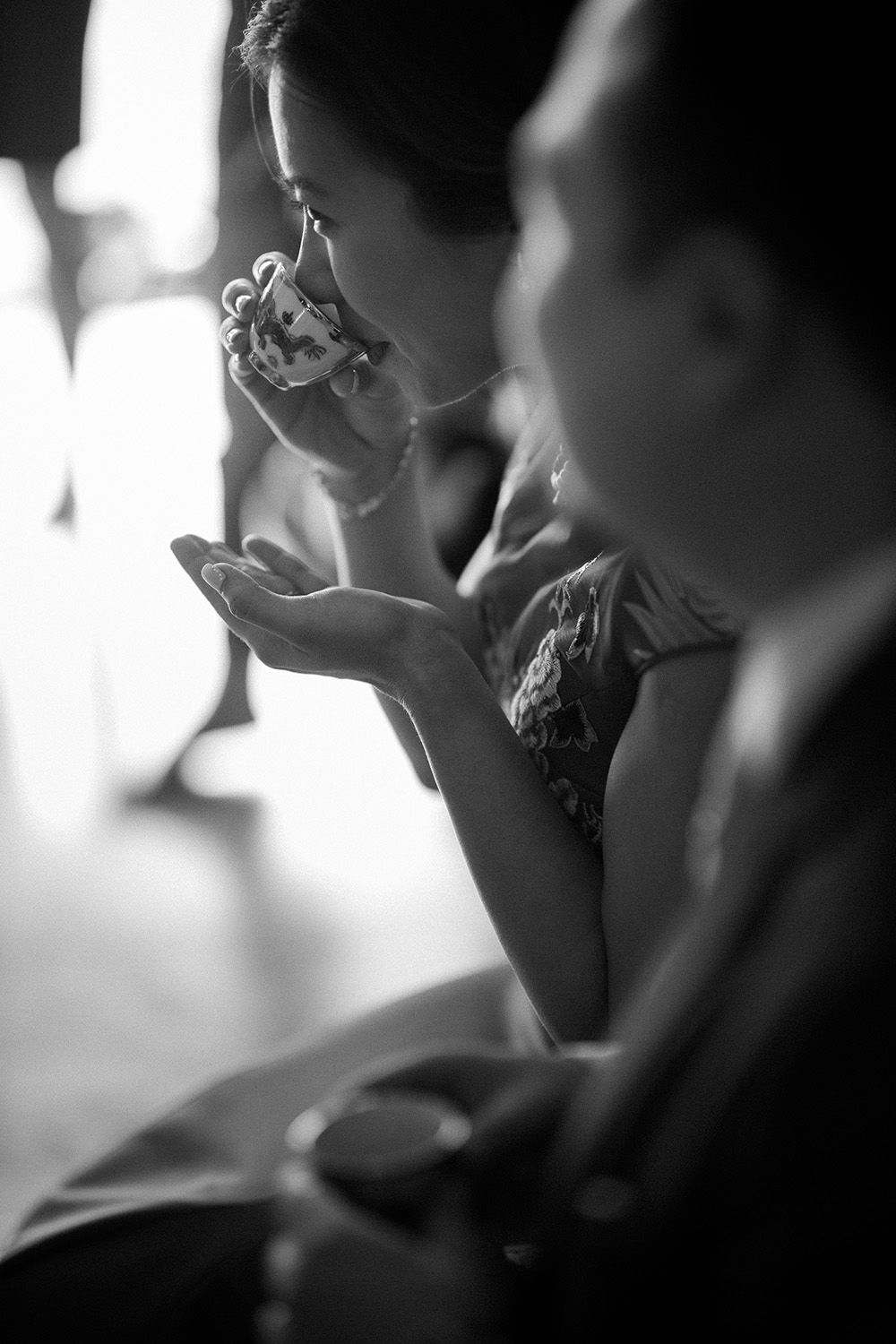
WHAT DO THE NEWLYWEDS WEAR DURING THE CHINESE TEA CEREMONY?
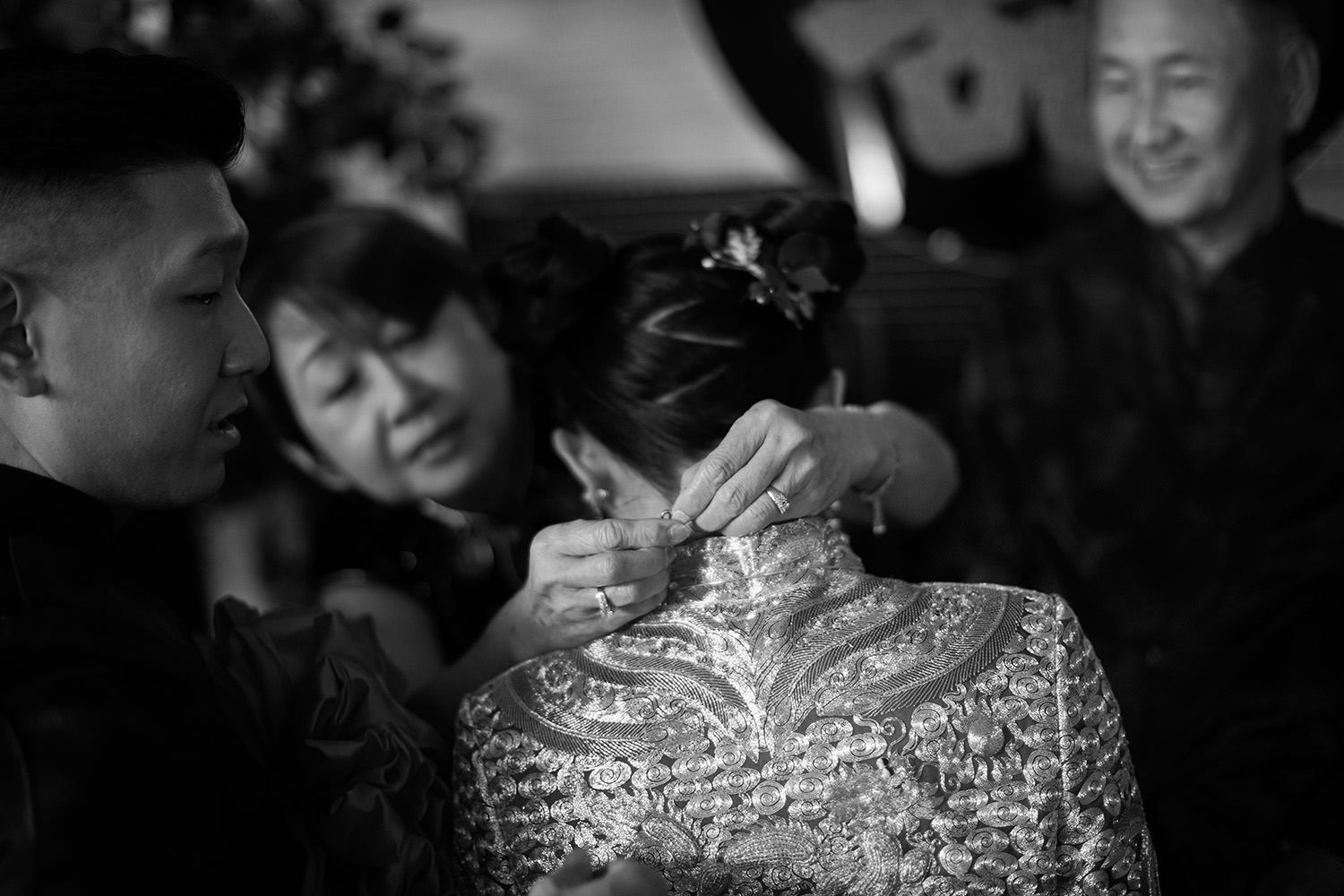
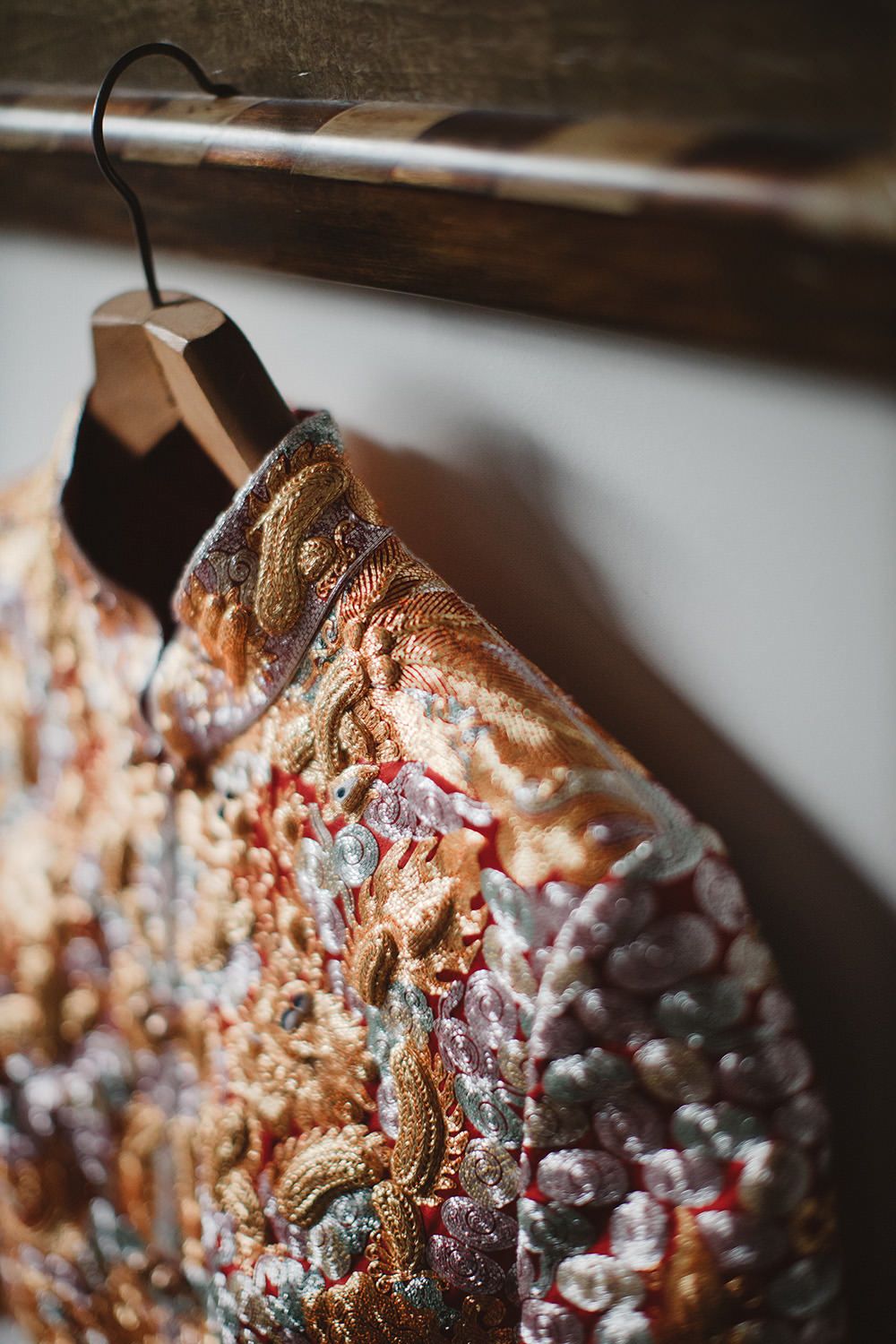
Since it is very common that lovebirds usually conduct separate wedding events nowadays, most would prefer wearing white or ivory wedding gowns at their wedding dinner; meanwhile, keeping it traditional by wearing a Kua (褂) or Qipao/ Cheongsam for the bride. Some might still prefer the taste of modern fashion with wearing red gown as red is an auspicious colour in Chinese culture. The costumes usually cover with rich embroideries and gold embellishment. As for the groom, they usually dress up in Tang suits with dragon-patterned embroidery on it; while some might prefer custom suits with brocade tie or Chinese flower boutonniere.
Not to mention, some Malaysians practises culture of Baba Nyonya/Peranakan too. They embrace the local culture by donning on red Kebayas, while having bridesmaids dress in Nyonya costume as well. Not going to lie, they totally look great and it gives fresh personalities in the photographs.
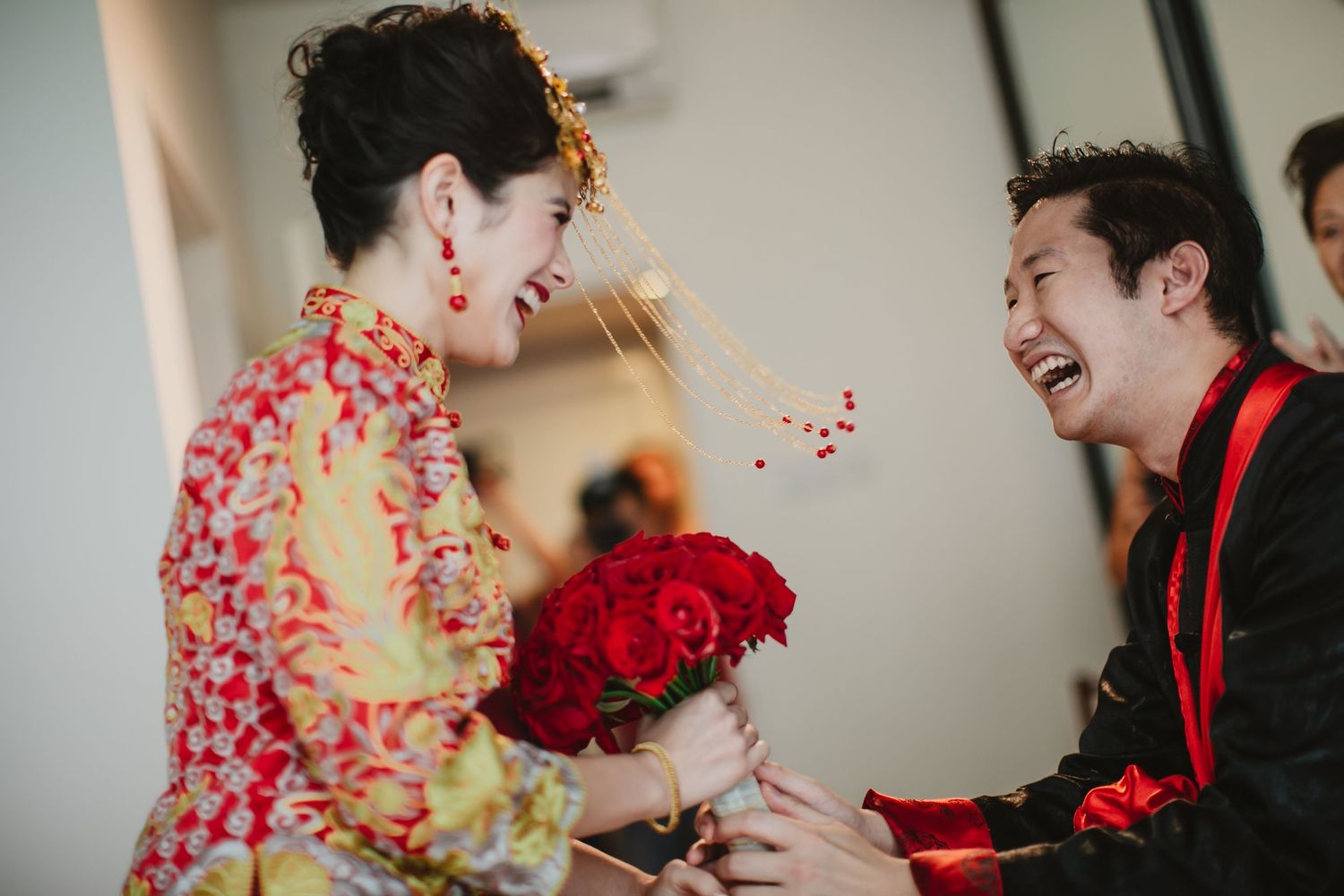
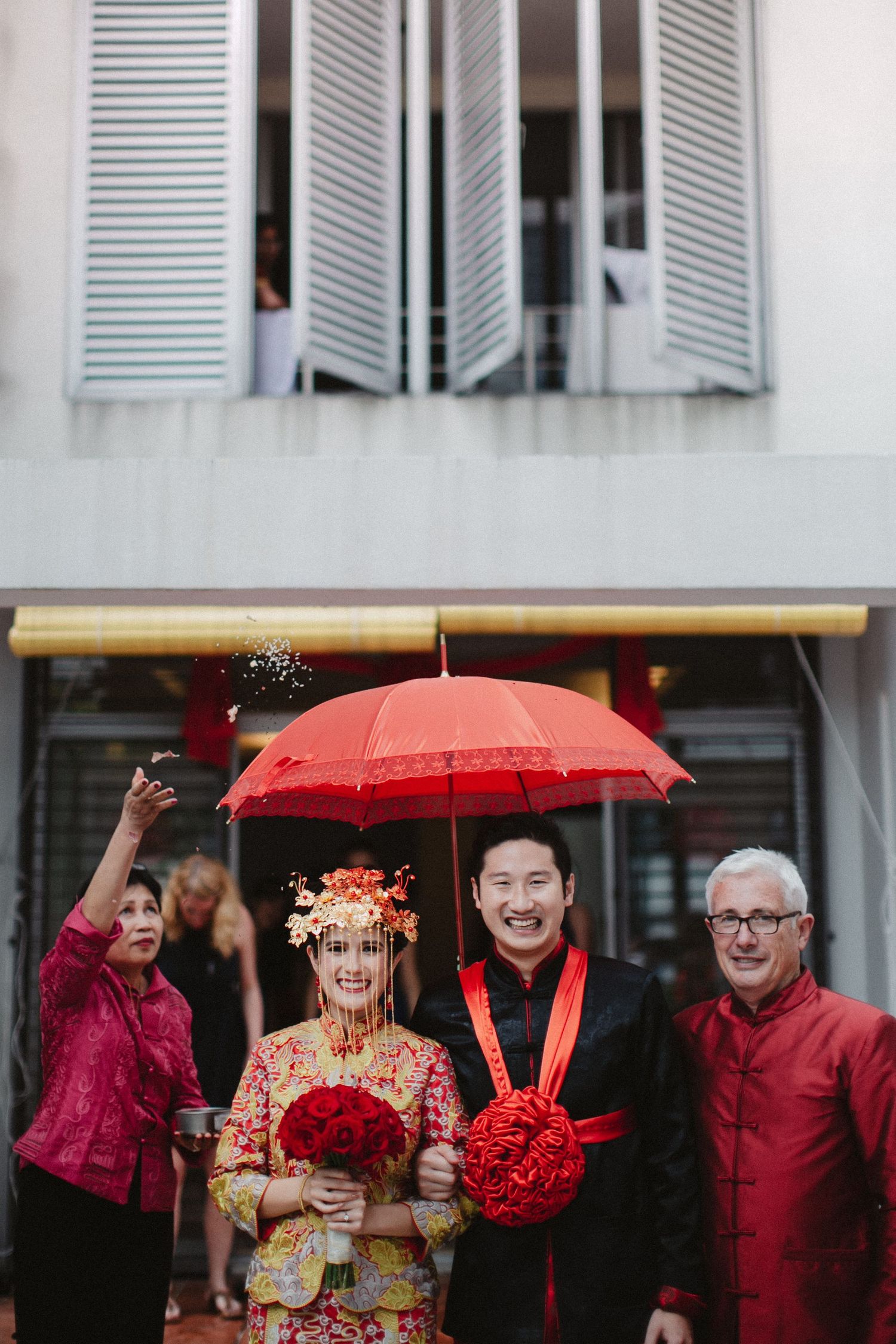
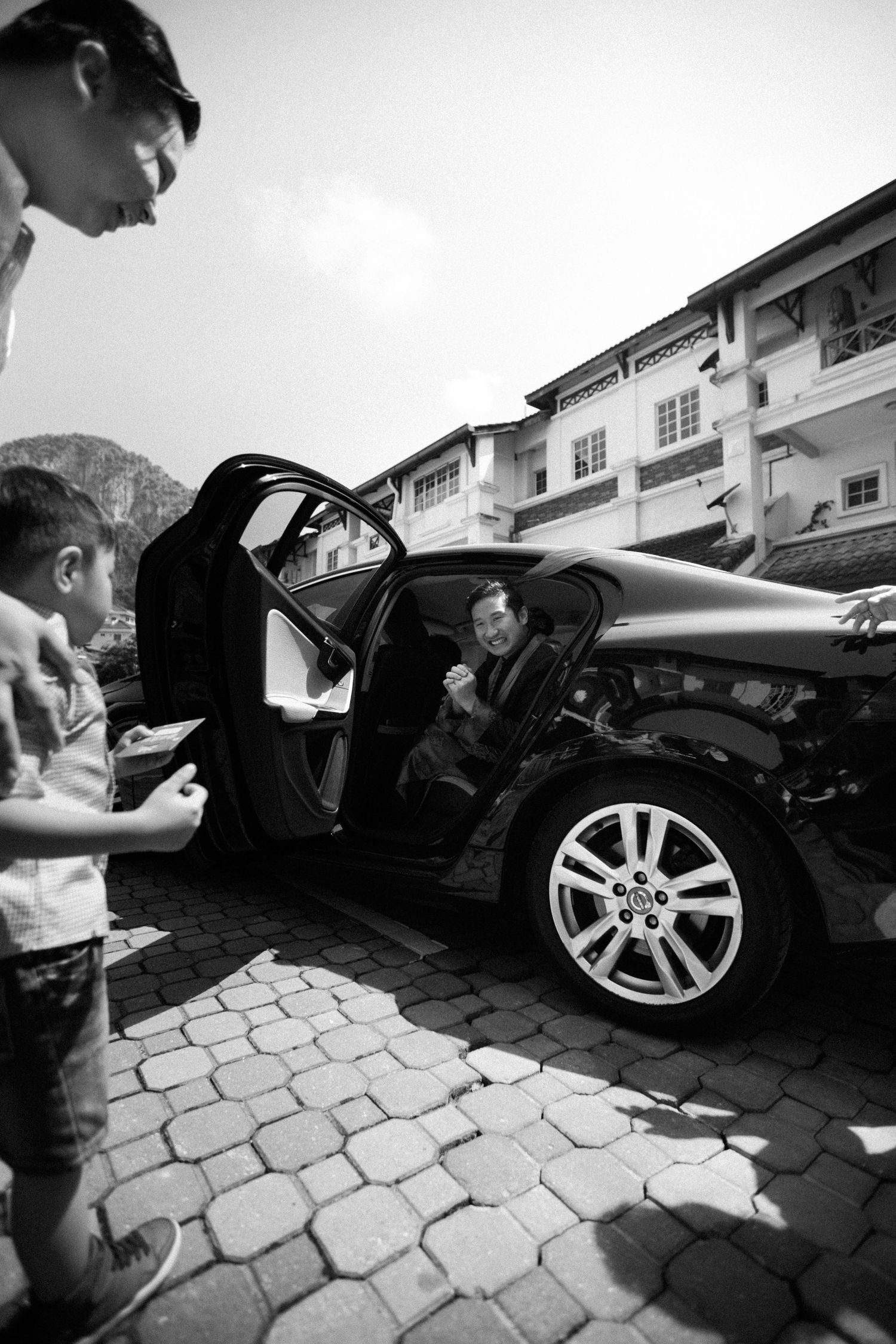
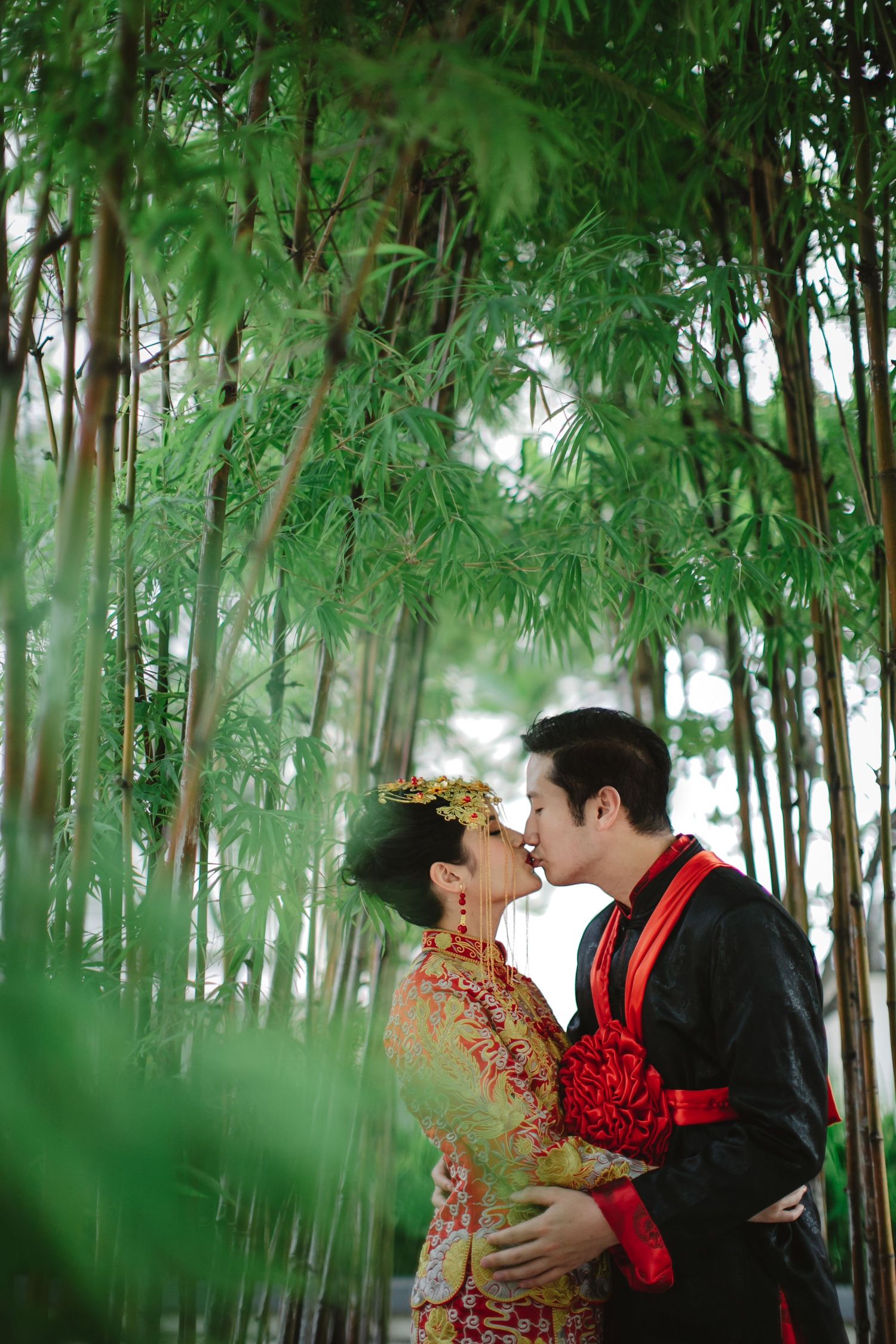
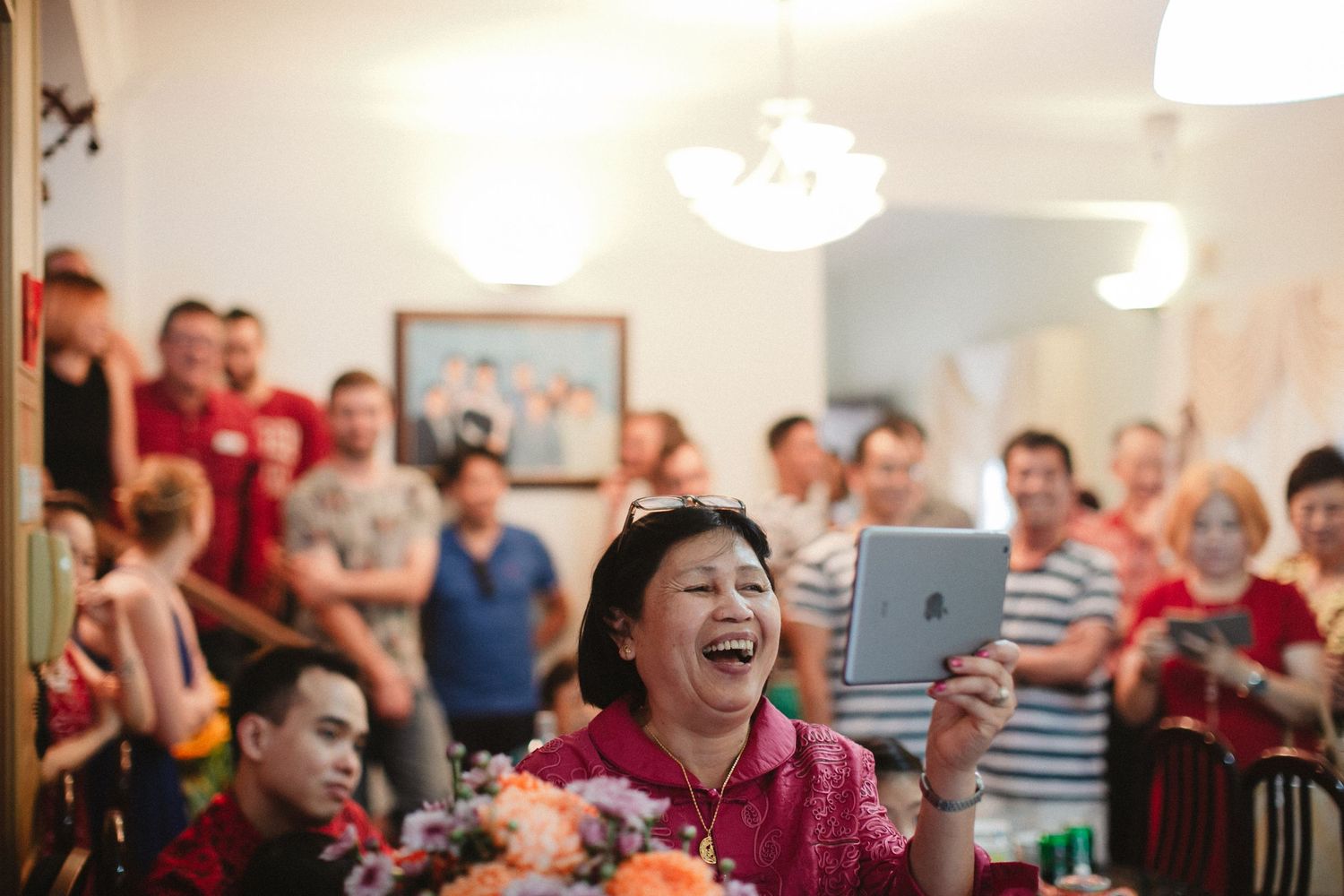
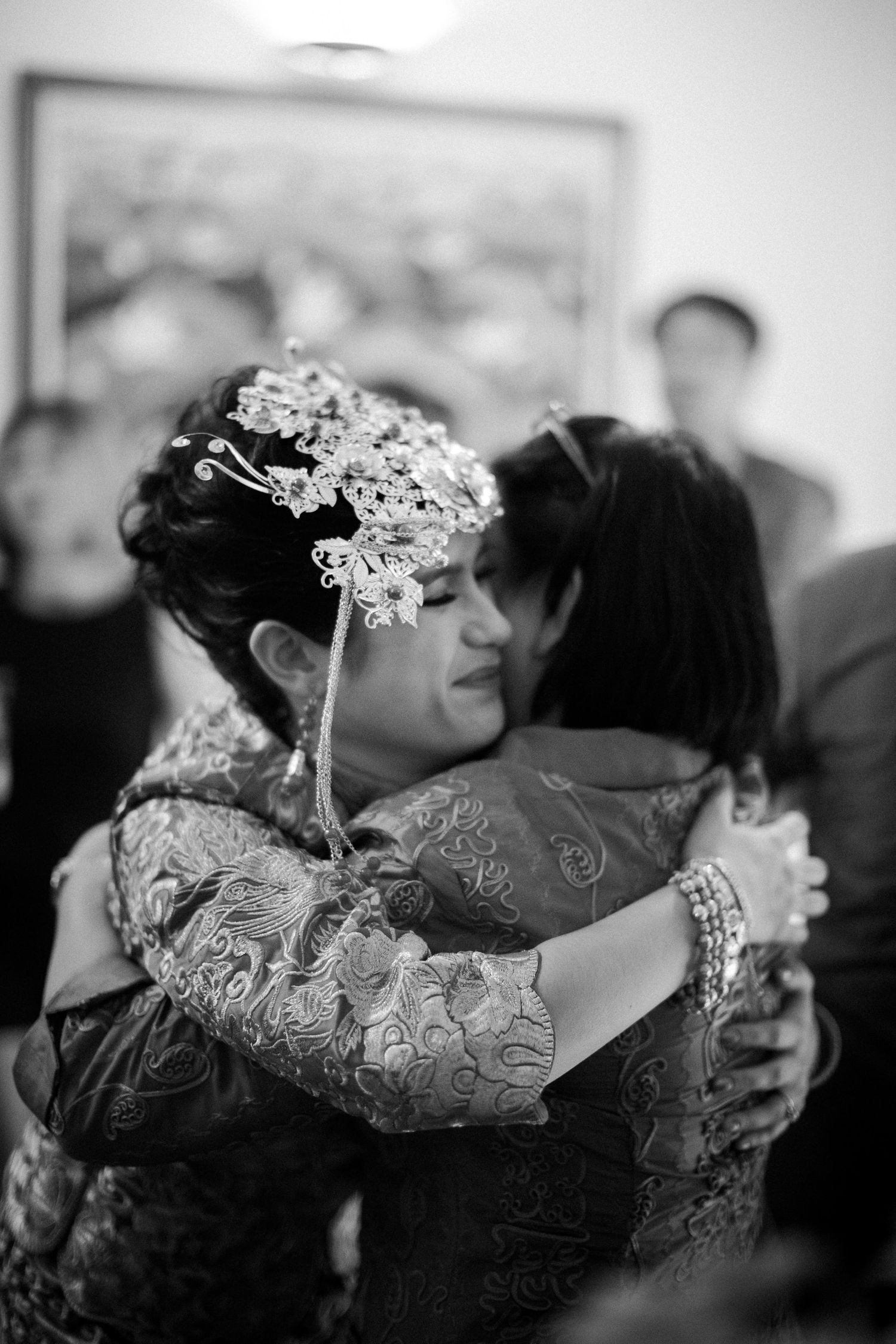
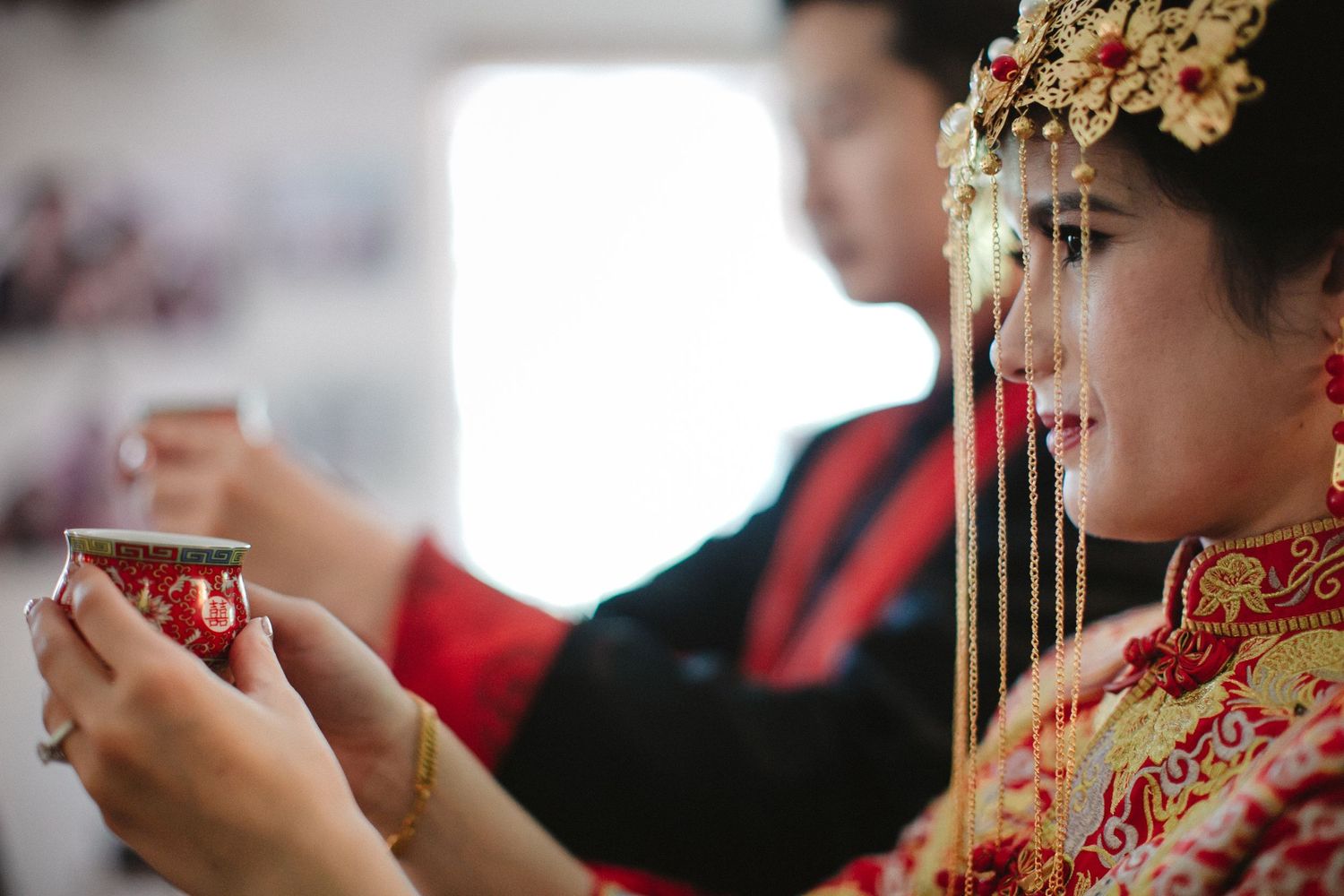
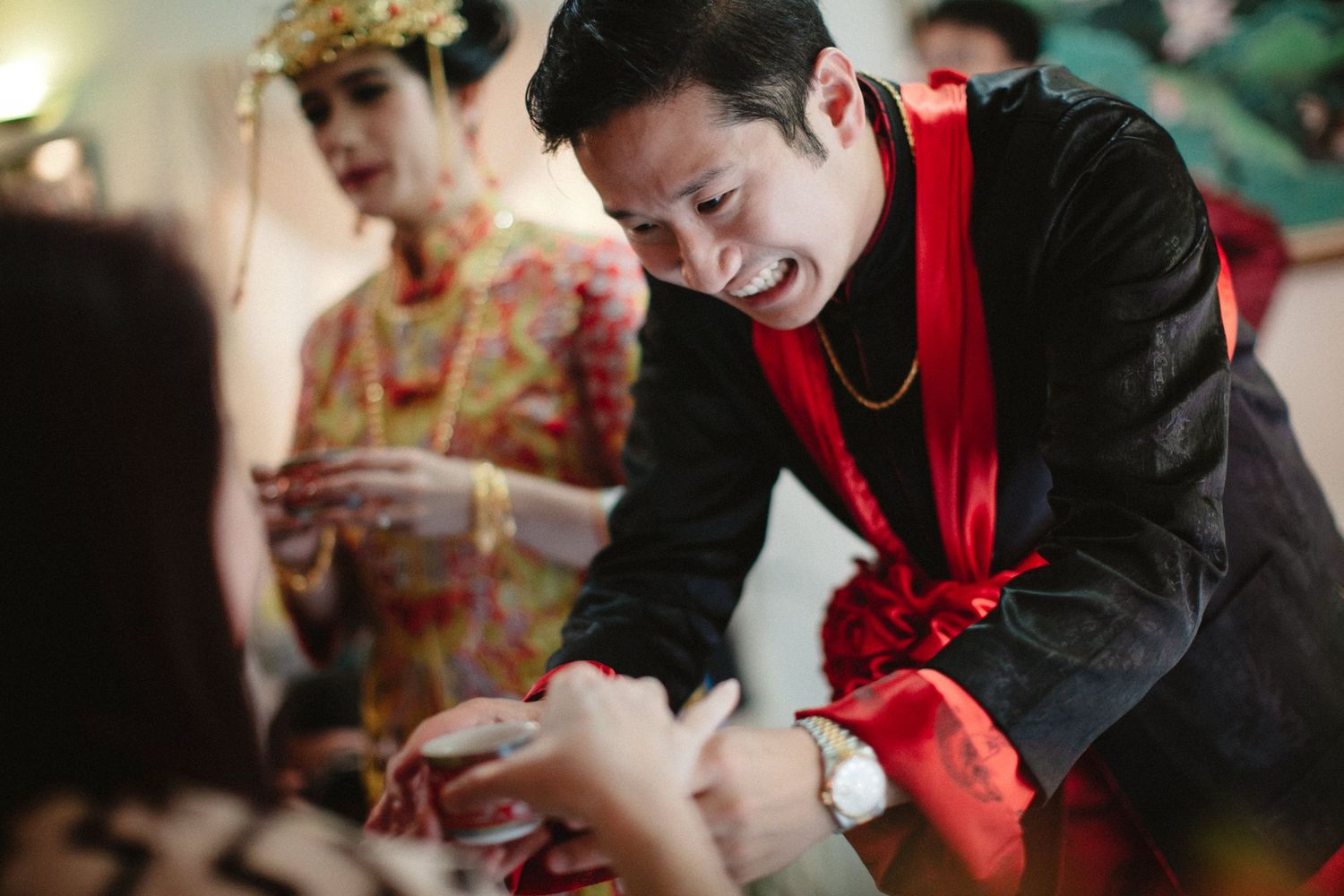
Lyslie & Ming Yaw's Tea Ceremony in Kuala Lumpur
"Chinese Tea Ceremony is a love celebration that brings everyone together, SURROUNDING everyone with emotional moments, endless joy and happy memories. "
It’s an interesting tradition that allows every member of the families to be connected again. It is not just a wedding affair but union of families. In a nutshell, this is a chance to embrace Chinese couples’ tradition, heritage and rituals while connecting deeper to your heritage and tradition.
